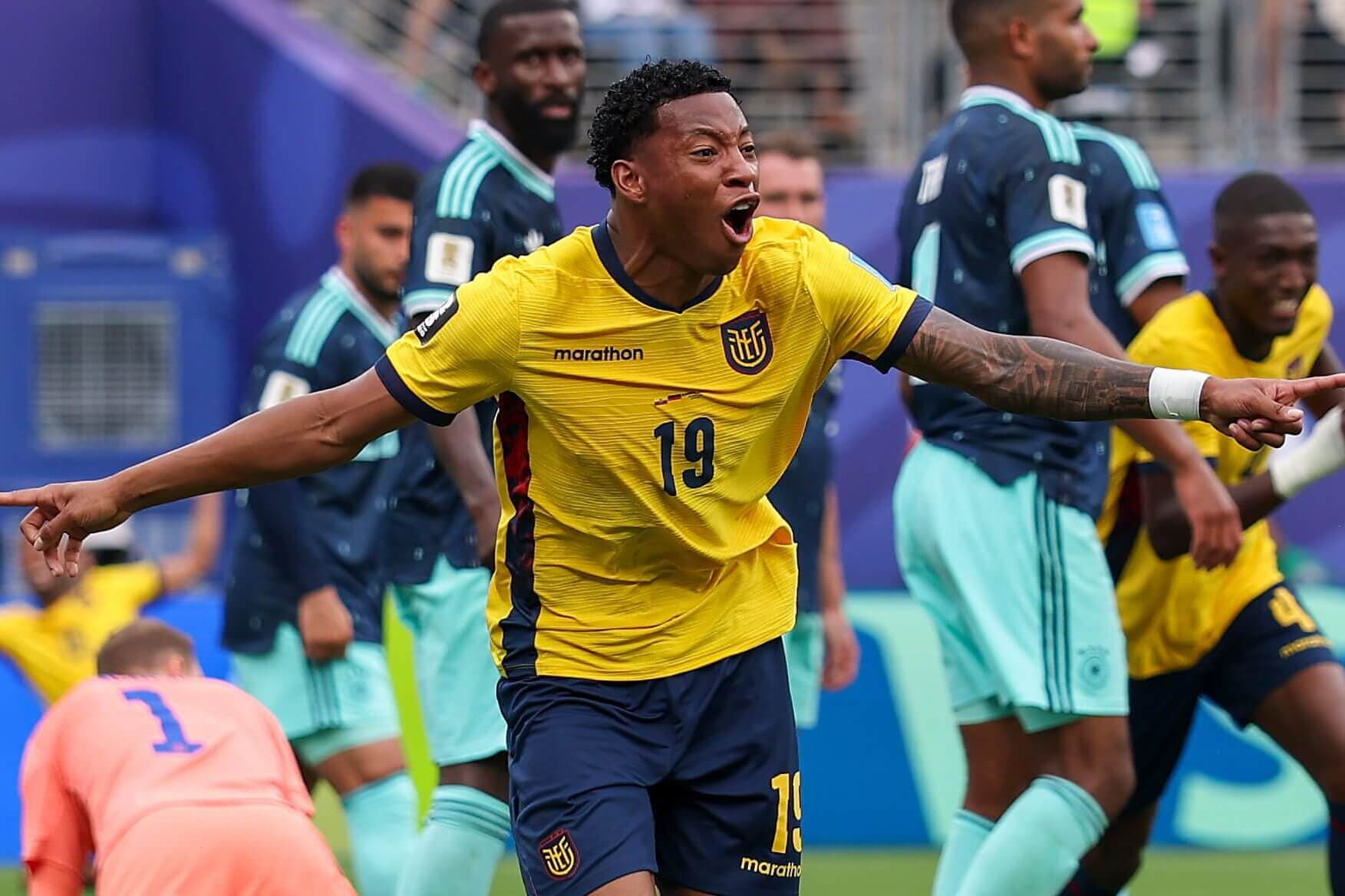
2026 World Cup already historic for goals scored, breaking previous records
Quick summary
The 2026 World Cup is on pace to set a new record for goals scored, with analysis explaining why attacking output has reached historic levels.
Full article
Attributed to original source177 goals in 60 games is the highest rate since 1970, and the overall record total for goals has already been surpassed
Source attribution: this article content is based on the linked publisher feed/source. Chance adds independent soccer context, impact analysis, entity links, and related news.
What happened
The 2026 World Cup has already surpassed previous goal-scoring records, making it one of the most entertaining tournaments in history. The article examines the underlying metrics driving this offensive surge, exploring factors such as tactical trends, expanded format, and broader shifts in modern football that have contributed to higher scoring rates. The piece uses data to contextualize why this tournament stands out from prior editions in terms of goal production.
Chance analysis
A historic spike in goals at a World Cup signals broader tactical shifts toward more attacking, high-press systems, deeper defensive lines being exposed, and possibly the expanded 48-team format producing more lopsided group-stage matchups. For prediction systems, this context helps calibrate expectations: if the tournament's attacking environment is genuinely anomalous, match-level goal totals and over/under markets may need upward adjustment. It also suggests that traditional powerhouses may be conceding more than in prior tournaments, which could affect knockout-stage upset probabilities.
The 2026 World Cup's record-breaking goal output suggests a tournament-wide attacking trend that may influence scoring expectations for remaining matches and future international competitions.
Consider upward adjustment to expected goals and over/under thresholds for 2026 World Cup matches given the historic scoring rate.