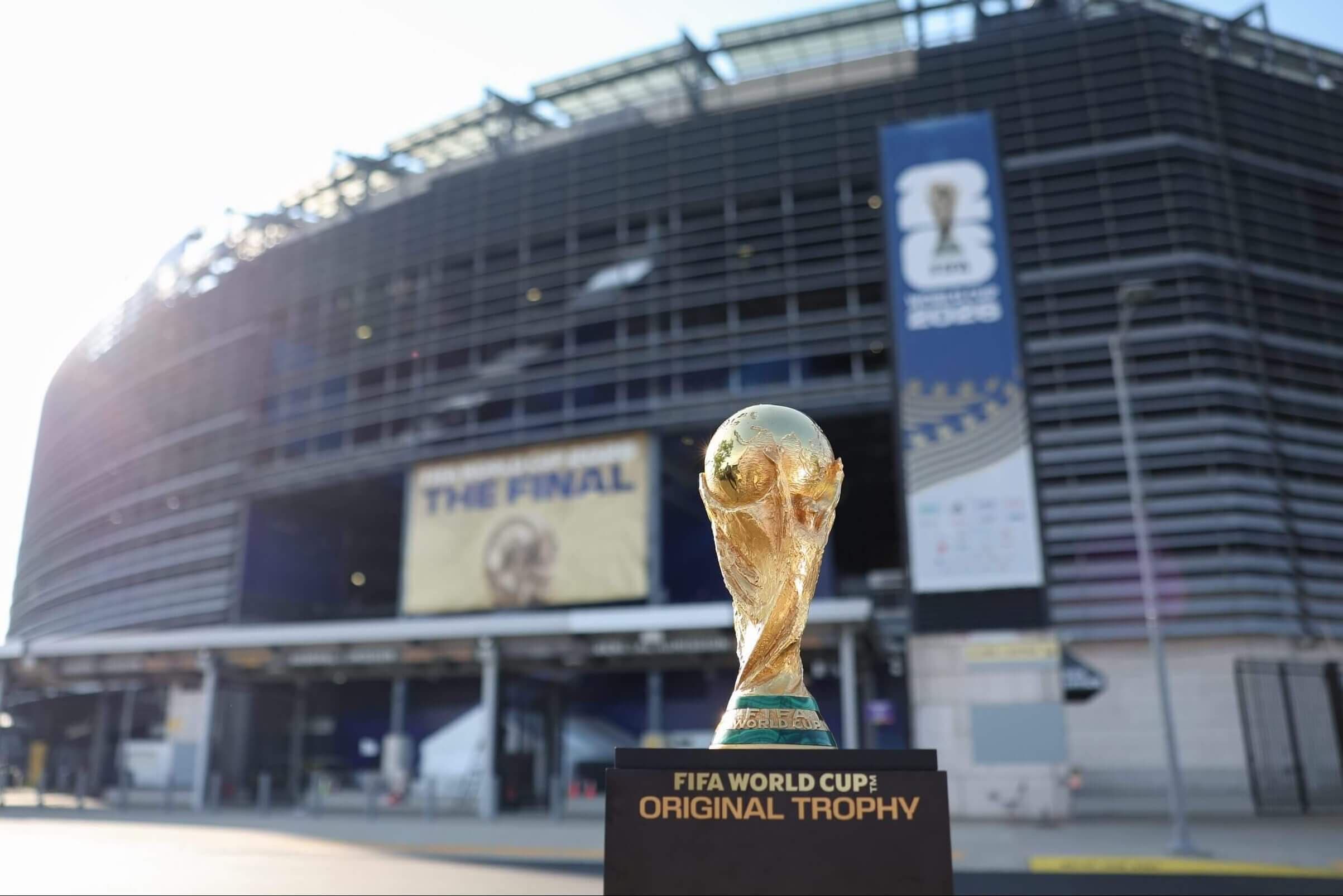
2026 World Cup final on track to become most expensive sporting event ever
Quick summary
Ticket prices for the 2026 FIFA World Cup final in the United States are projected to make it the most expensive sporting event ever, fueled by massive demand and the expanded 48-team format.
Full article
Attributed to original sourceThe average price of World Cup final tickets is $12,751, more than $2,000 higher than the previous record set by the 2024 Super Bowl.
Source attribution: this article content is based on the linked publisher feed/source. Chance adds independent soccer context, impact analysis, entity links, and related news.
What happened
The 2026 FIFA World Cup final, scheduled to be held in the United States, is on track to become the most expensive sporting event in history based on ticket pricing data. The expanded 48-team format has dramatically increased global demand, while the limited supply of premium seats has driven resale prices to historic highs. FIFA's dynamic pricing model and the U.S. hosting context — with large stadium capacities but even larger demand — are cited as key factors. The story frames the event as a landmark moment in sports economics, comparable only to recent Super Bowls and Olympic ceremonies in terms of cost to attend.
Chance analysis
While this is primarily a commercial story rather than a competitive one, it reflects the unprecedented scale of the 2026 World Cup. The 48-team format, U.S. hosting, and FIFA's commercial strategy collectively position this tournament as a financial outlier. For prediction systems, the high ticket prices may marginally affect crowd atmosphere at matches and indicate elevated global attention, but on-field competitive analysis remains unchanged. The story is significant for understanding tournament economics and fan accessibility rather than match outcomes.
No competitive impact on teams or players; the story highlights the financial scale of the 2026 World Cup and signals heightened global interest but does not affect on-field performance variables.
No direct impact on match predictions; the story is about tournament economics and fan accessibility, not competitive dynamics.