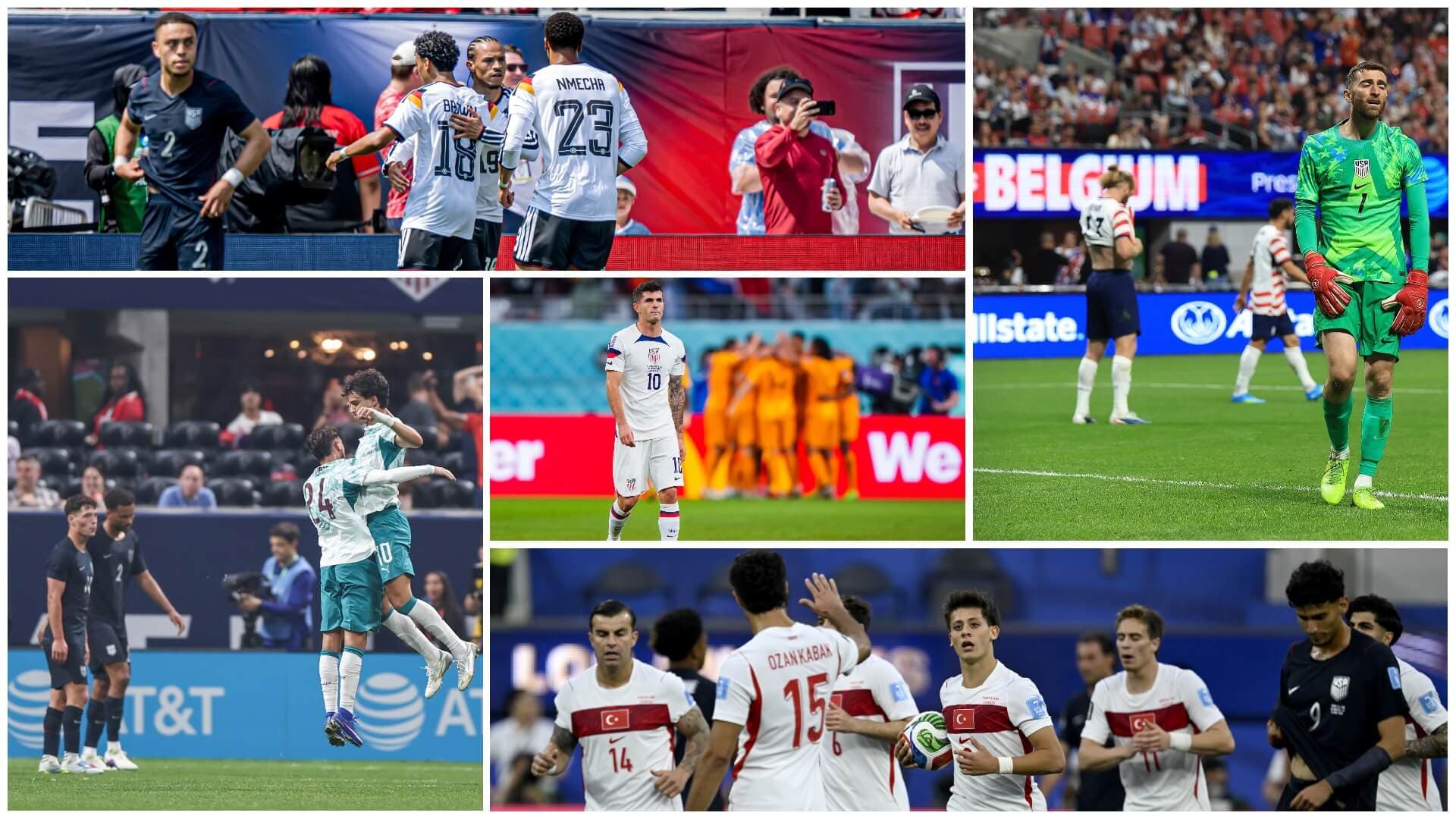
After acing World Cup's group stage, USMNT confronts its kryptonite: Europe
Quick summary
An analysis of the USMNT's historical struggles against European opposition at the World Cup, ahead of their knockout-stage match against Bosnia and Herzegovina.
Full article
Attributed to original sourceTo get where it wants to go, the USMNT will have to do what it hasn't done in quite some time — and rarely in history
Source attribution: this article content is based on the linked publisher feed/source. Chance adds independent soccer context, impact analysis, entity links, and related news.
What happened
The USMNT successfully navigated the group stage of the 2026 World Cup but now faces a familiar challenge: European opponents. The article examines the program's long history of underperforming against European teams in knockout-stage football, highlighting tactical and cultural patterns behind the struggles. Bosnia and Herzegovina is identified as the next opponent, representing a test of whether the USMNT can break its historical trend of falling short against European sides in the tournament's later rounds.
Chance analysis
This is a contextual and tactical preview piece rather than breaking news, framing the USMNT's knockout-stage prospects through the lens of historical European opposition. The mention of Bosnia and Herzegovina as an upcoming opponent gives it direct match-relevance, but the core value is evergreen analysis of a recurring pattern in USMNT World Cup history. Prediction systems should factor in the historical psychological and tactical gap between the USMNT and European opposition when modeling outcomes for knockout matches.
Frames Bosnia and Herzegovina as a significant litmus test for the USMNT's ability to overcome its historical European opposition problem, potentially raising the psychological stakes of the fixture.
USMNT has a historical tendency to struggle against European opposition in World Cup knockout stages; weigh this trend when modeling their upcoming matches.