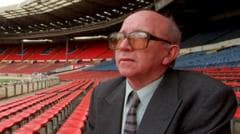
Coroner finds headers caused Nobby Stiles' brain disease
Quick summary
A coroner has ruled that heading footballs contributed to the brain disease suffered by England 1966 World Cup hero Nobby Stiles, who died in 2020.
Full article
Attributed to original sourceEngland 1966 World Cup winner Nobby Stiles died with a condition caused by heading footballs, his inquest concludes.
Source attribution: this article content is based on the linked publisher feed/source. Chance adds independent soccer context, impact analysis, entity links, and related news.
What happened
An inquest into the death of Nobby Stiles, a key member of England's 1966 World Cup winning team and Manchester United legend, has concluded that repetitive heading of footballs caused or contributed to his chronic traumatic encephalopathy (CTE). Stiles died in October 2020 at age 78 after a long battle with dementia and other neurological conditions. The coroner's findings add to growing evidence linking heading in football to long-term brain damage, a topic that has prompted rule changes in youth football and increased scrutiny of the sport's safety protocols.
Chance analysis
The coroner's finding is a landmark moment in the ongoing debate about heading and brain health in football, lending official weight to concerns that have already pushed the FA and other bodies to limit heading in youth training. Stiles' profile as a 1966 World Cup winner ensures high public attention, which could accelerate calls for further restrictions at the professional level and renewed scrutiny of how the sport manages cumulative head impact exposure. The ruling is unlikely to affect immediate match outcomes but may shape long-term policy, insurance considerations, and liability discussions around the professional game.
The finding is likely to intensify pressure on football authorities to further restrict or study heading at all levels, with no immediate impact on team selection or match results.
This is a player-safety and policy story with no direct impact on upcoming match predictions, but it is a significant narrative moment for English football governance.