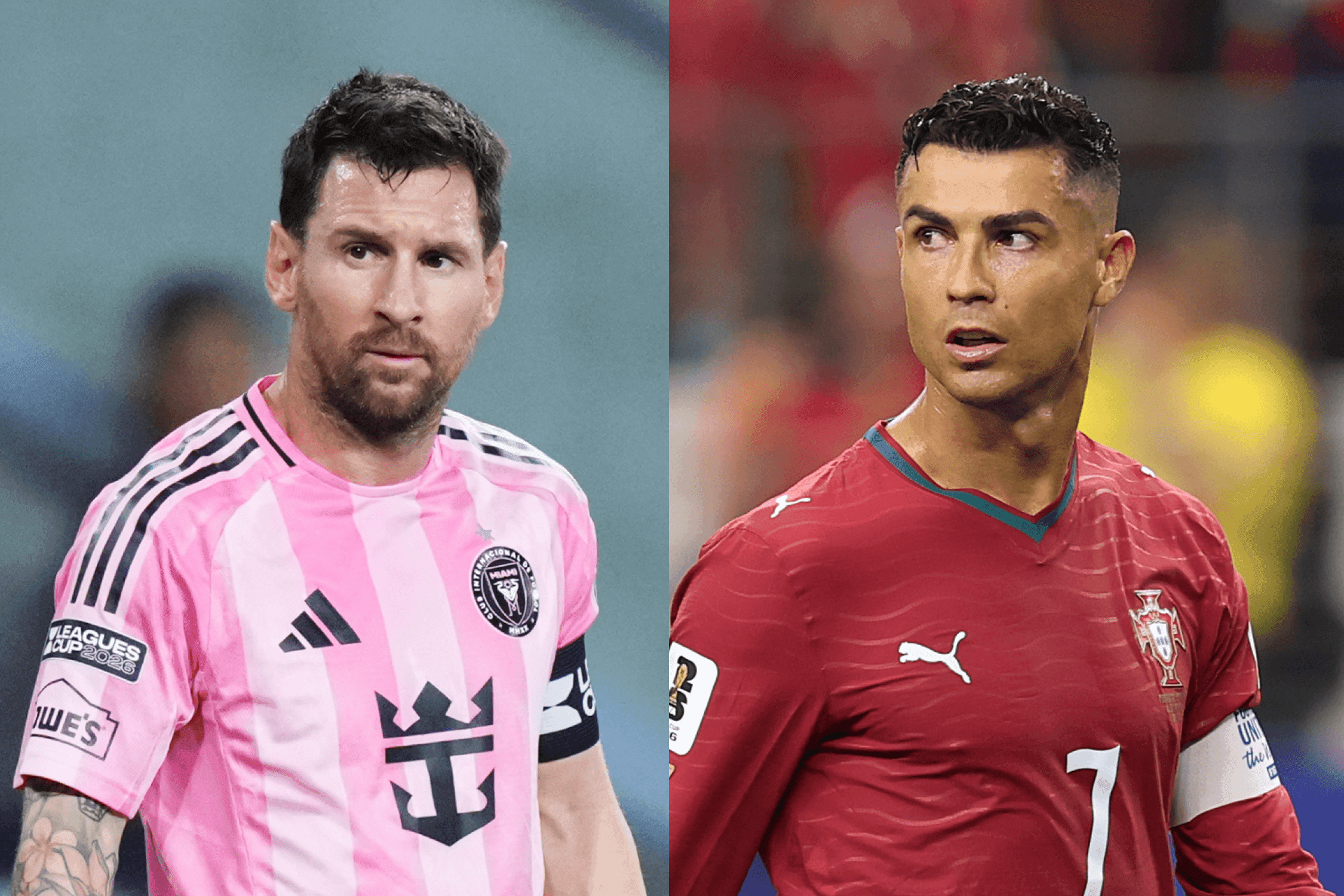
Cristiano Ronaldo and Lionel Messi discuss retirement: what football looks like without them
Quick summary
Cristiano Ronaldo and Lionel Messi are openly discussing the possibility of retirement, prompting reflection on the future of football without its two most iconic figures.
Full article
Attributed to original sourceAs two greats near the end of their careers, can others reach the same heights? Or has the fragmentation of football made it more difficult?
Source attribution: this article content is based on the linked publisher feed/source. Chance adds independent soccer context, impact analysis, entity links, and related news.
What happened
Ronaldo and Messi, widely regarded as the two greatest footballers of their generation, have both spoken publicly about the end of their playing careers being closer than ever. The article explores the potential implications for global football, including the commercial landscape, the competitive balance of their respective leagues, and the identity of the sport post-Ronaldo/Messi era. It draws on statements from both players, analysis of their recent form, and broader reflections on the sport's transition to a new generation led by players like Mbappé, Haaland, and Bellingham.
Chance analysis
Even speculative retirement talk from Ronaldo and Messi carries weight because both are still active goal-scorers and commercial pillars for their current clubs. The near-term competitive impact is limited — neither appears to be retiring imminently — but the discussion signals the closing window of an era. For prediction systems, the key takeaway is to monitor their minutes, goals, and physical output as leading indicators of when the transition actually happens, rather than treating this article as an immediate squad-availability event.
No immediate impact on upcoming matches; long-term, the eventual retirements of Ronaldo and Messi will reshape the commercial and competitive landscape of football globally.
Do not adjust current match predictions based on this article; treat retirement talk as a long-term signal and monitor the players' actual output for evidence of decline or imminent departure.