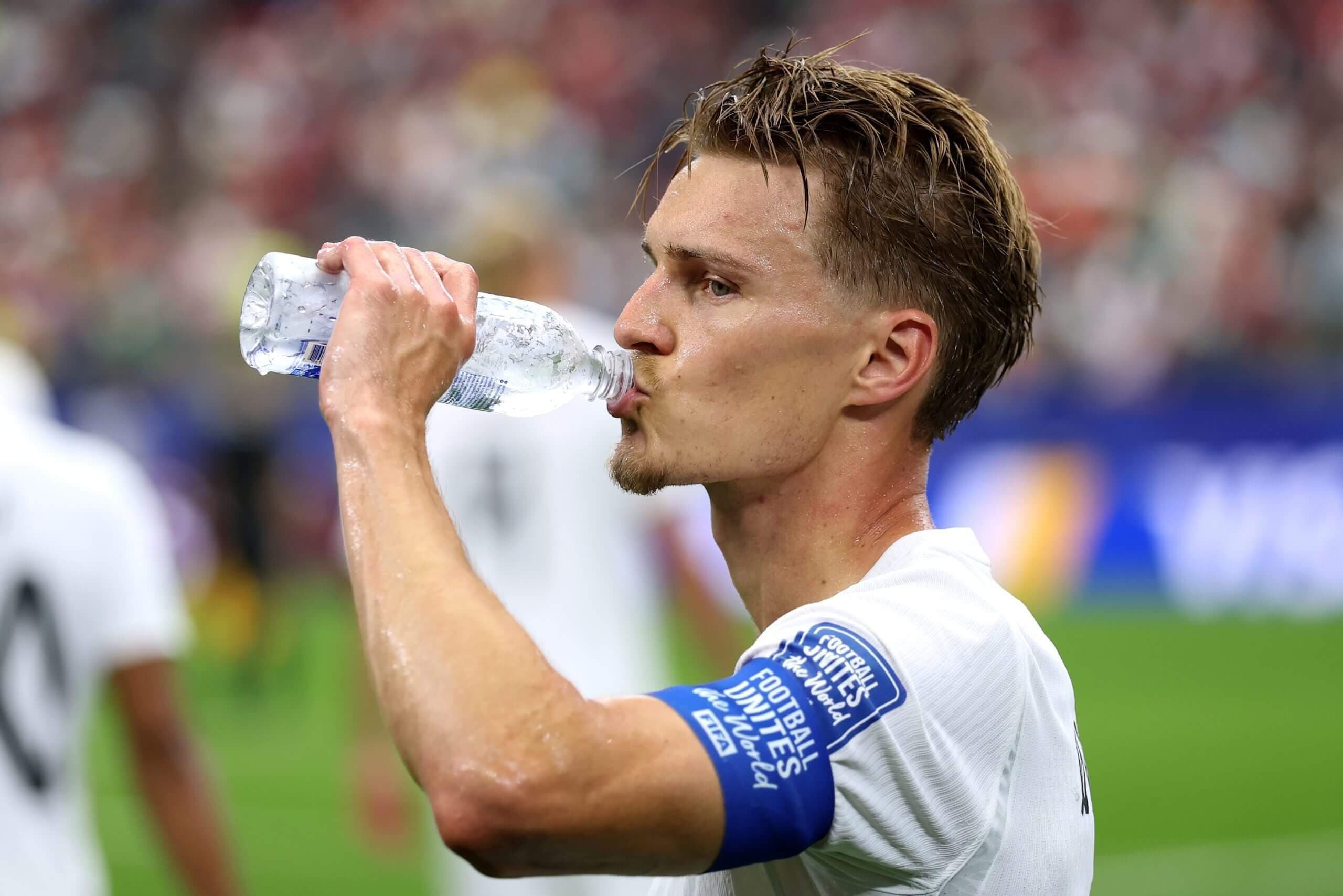
Do hydrated players play better football? Expert insights ahead of the World Cup
Quick summary
An expert analysis exploring the relationship between hydration and football performance, published in the context of the upcoming World Cup.
Full article
Attributed to original sourceWorld Cup games are being paused once each half so players can re-hydrate. Is it making the football better?
Source attribution: this article content is based on the linked publisher feed/source. Chance adds independent soccer context, impact analysis, entity links, and related news.
What happened
The Athletic addresses whether properly hydrated players perform better on the football pitch, consulting an expert on the science behind hydration and athletic performance. The piece examines the physiological impact of dehydration on footballers, including effects on stamina, concentration, and decision-making. The article is framed around the upcoming World Cup, where heat and playing conditions could make hydration a critical factor for team success. It provides practical insights into how teams and players manage fluid intake during matches and training.
Chance analysis
This is a sports science explainer with potential tactical implications for World Cup preparation. Hydration strategies can affect match outcomes, particularly in hot climates, influencing substitution patterns, cooling breaks, and in-game player performance. For prediction systems, understanding environmental and physiological factors adds context to team performance expectations, especially in summer tournaments. The piece has no direct bearing on specific matches or player availability but offers background knowledge relevant to tournament play.
No direct impact on teams, players, or matches; provides general sports science context relevant to World Cup conditions.
Hydration and heat management may marginally affect performance expectations for teams playing in warm-climate World Cup venues, but this is evergreen sports science content with low direct prediction value.