What does Chance soccer news cover?
Chance soccer news covers transfers, injuries, lineups, results, tactical updates, managerial updates, and other stories connected to soccer teams, competitions, matches, and prediction-market context.
AI-curated soccer news — transfers, injuries, results, and tactical insights from across the globe.
24 latest soccer articles

Live coverage and fan discussion ahead of the Community Shield match between Arsenal and Manchester City.

Borussia Mönchengladbach defender Nico Elvedi is on the verge of joining Leeds United for a fee of £8.5 million.

Coventry City have agreed a deal to sign striker Taiwo Awoniyi from Nottingham Forest, ending his injury-hit spell at the City Ground.

Jürgen Klopp officially began his role as head coach of the Germany national team, marking his return to football management after stepping down from Liverpool.

The Guardian's live blog covers buildup to the Community Shield, Championship roundup, and pre-season club friendly updates as English football returns.
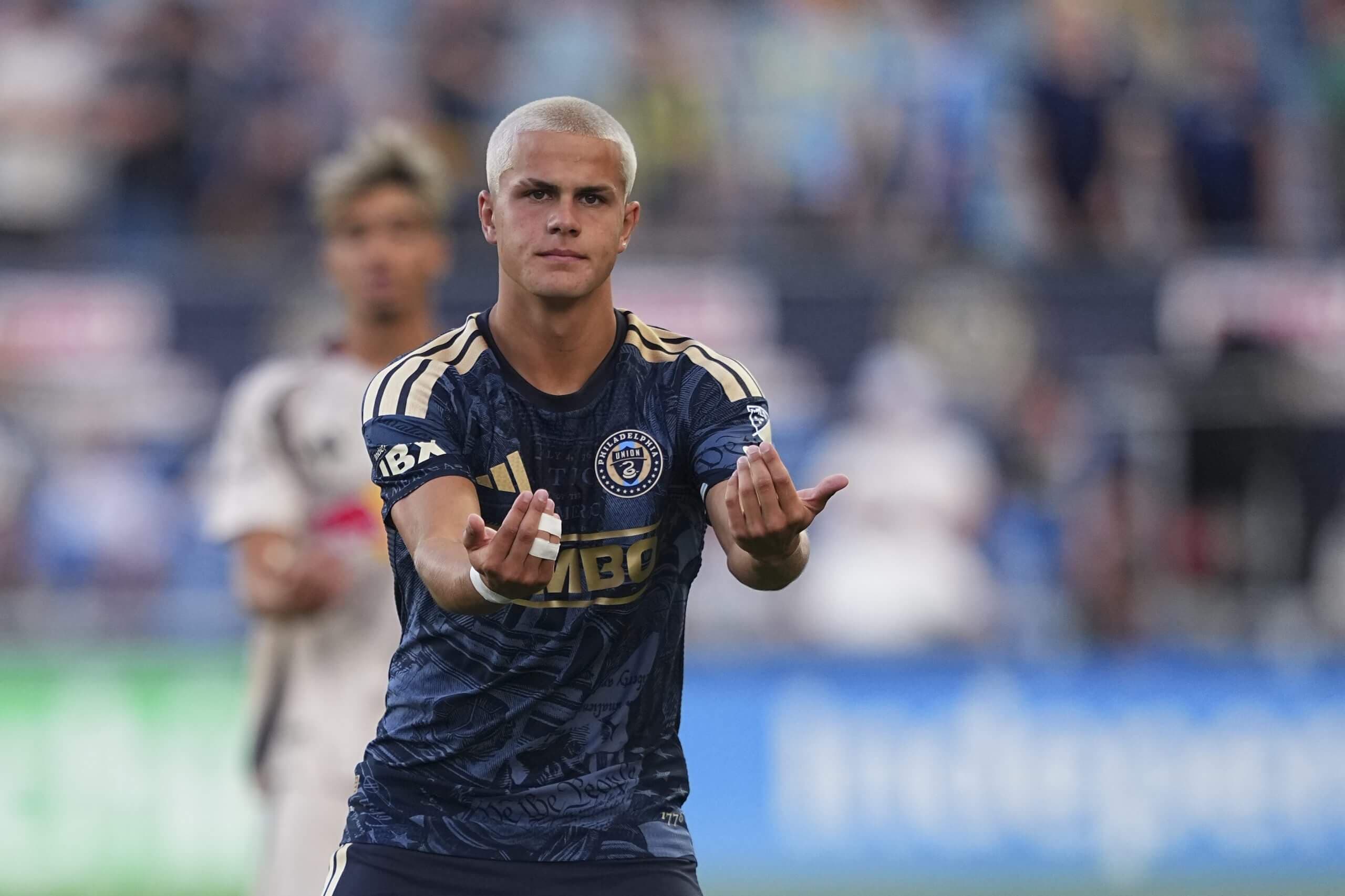
A tactical and developmental analysis of Cavan Sullivan's progression in MLS during 2026, examining his performances and future trajectory with links to Manchester City and the USMNT.

Lionel Messi missed a penalty as Nashville defeated Inter Miami, extending their lead at the top of the MLS standings.

West Ham United have completed the signing of defender Tarek Engels from Celtic for a reported £22m, breaking the EFL transfer record.

West Ham United have broken an EFL record by signing midfielder Engels for £22 million from an EFL club.

Inter beat Real Betis 1-0 in a pre-season friendly, with a debut goal from Stones securing the win.

Sheffield United and Birmingham City opened their Championship campaigns with a 0-0 draw at Bramall Lane.

Marcus Rashford is returning to AC Milan on loan, with Michael Carrick dealing with ongoing issues at Manchester United.

Rangers manager McInnes says the club needs additional support and that funds are available to bring in reinforcements.

Three Bayern Munich players — Jamal Musiala, Konrad Laimer and Minjae Kim — were forced off during the club's pre-season friendly against RB Leipzig, raising injury concerns ahead of the new Bundesliga campaign.

Player Spence expresses admiration for Inter Milan's history and describes the club as massive, indicating he is drawn to a potential move.

Sunderland have agreed a £25.6 million fee to sign defender Methalie.

Inter Milan have signed English full-back Djed Spence from Tottenham Hotspur, adding another defensive option to their squad.

Millwall defeated 10-man Bristol City away from home, with striker Coburn scoring both goals after Bristol City were reduced to 10 men.

Tottenham defender Djed Spence has completed a permanent transfer to Inter Milan for £30m.

Charlton Athletic came from behind to defeat Derby County in a Championship fixture.

Tottenham beat Hoffenheim 3-0 in pre-season, with Mikey Moore scoring twice and Richarlison opening the scoring. Robertson also impressed for Spurs.

Stockport County defeated Plymouth Argyle 3-1 in a league match, earning three points on the road.

Walsall claimed a convincing 3-0 away victory over Gillingham, with the match report detailing the goals and key moments.
Chesterfield defeated Fleetwood Town 1-0 in their league match.
Chance soccer news
Chance surfaces soccer news intelligence for fans and market users, with crawlable links to articles, teams, competitions, matches, and prediction-market context when real data is available.
The news hub focuses on soccer coverage rather than unrelated general sports, so article lists are filtered to remove obvious non-soccer stories before they appear on soccer-branded pages.
Coverage includes transfers, injuries, lineups, match results, tactical updates, managerial updates, and other soccer developments.
When articles include reliable entity data, Chance connects them to team pages, competition pages, match pages, and filtered news views. This helps users move from fresh soccer context to fixtures and virtual-credit prediction markets without inventing facts or hidden content.
Chance soccer news covers transfers, injuries, lineups, results, tactical updates, managerial updates, and other stories connected to soccer teams, competitions, matches, and prediction-market context.
Articles are connected to teams, competitions, matches, and topics when the API resolves those entities, helping users move from fresh news to relevant Chance pages.
Yes. The news page supports topic filters and search, and contextual links can open team, competition, or match-specific news lists.