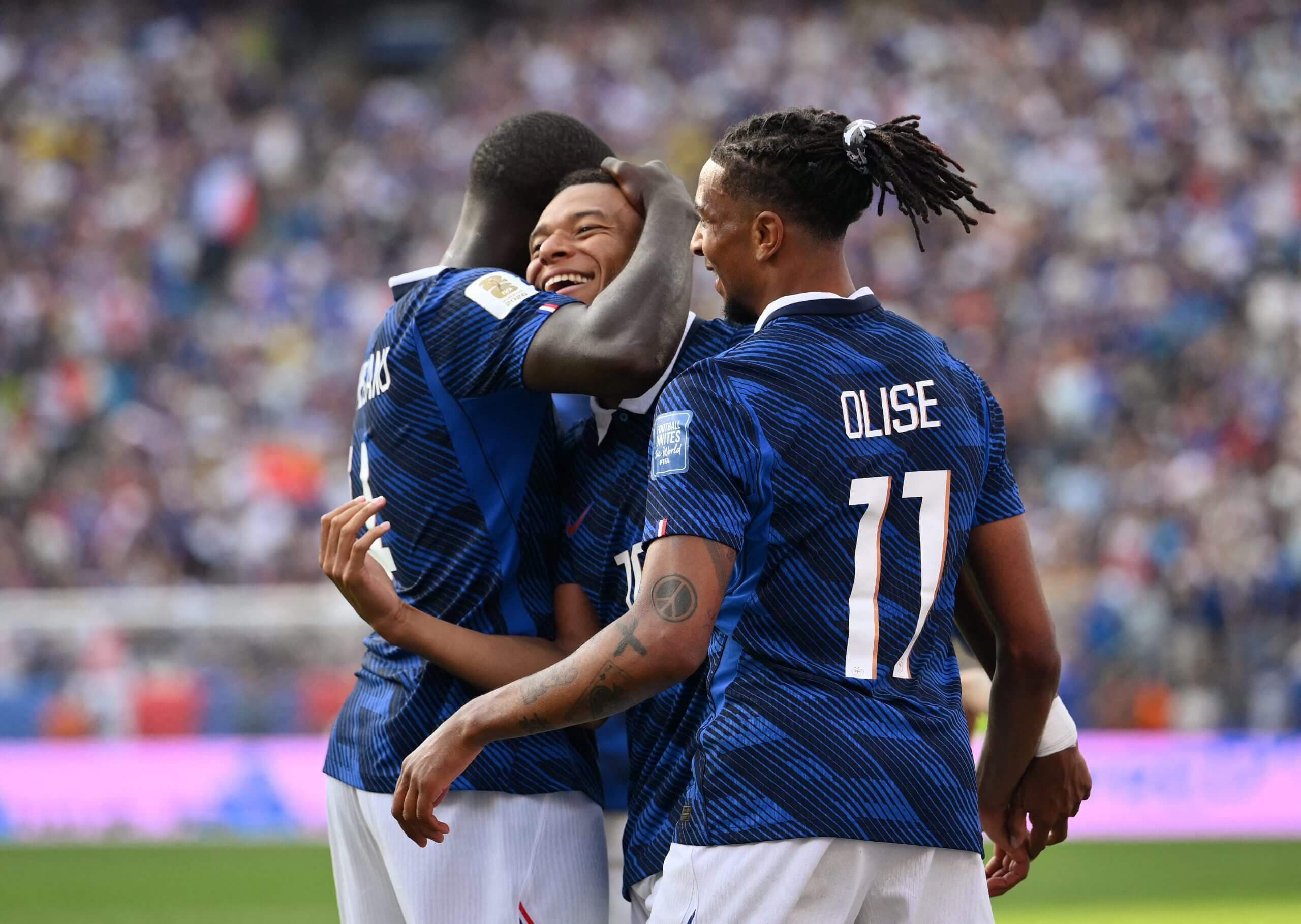
Europe is dominating another World Cup. That does not look like changing anytime soon
Quick summary
An analytical piece examining how European national teams have continued their dominance at the 2026 World Cup, with France, England, and Spain among the leading contenders, and arguing this trend is unlikely to shift soon.
Full article
Attributed to original sourceWith six of the eight quarter-finalists coming from Europe, the continent's grip on the world game has tightened
Source attribution: this article content is based on the linked publisher feed/source. Chance adds independent soccer context, impact analysis, entity links, and related news.
What happened
The article analyzes the ongoing supremacy of European national teams at the 2026 World Cup, highlighting the depth of talent pipelines, infrastructure, and tactical sophistication across the continent's footballing powers. It points to France, England, and Spain as prime examples of nations combining elite club academies, strong domestic leagues, and experienced coaching structures. The piece contextualizes this dominance within broader historical trends and questions whether emerging football nations can realistically close the gap in the near future.
Chance analysis
For soccer decision-making, this is a high-level trend analysis rather than actionable match intelligence. It reinforces the structural advantage European federations hold through superior youth development, financial resources, and tactical innovation. For prediction systems, the takeaway is that European favorites should be weighted more heavily in knockout-stage forecasts, and that non-European contenders face an increasingly steep climb against the continent's depth of elite talent.
Reinforces European national teams as the benchmark favorites for the 2026 World Cup and frames their continued dominance as a structural rather than cyclical trend.
When modeling World Cup knockout outcomes, apply a structural advantage boost to European national teams given the systemic dominance described in this analysis.