Extreme Heat in U.S. Could Disrupt 2026 World Cup Matches This Week
Quick summary
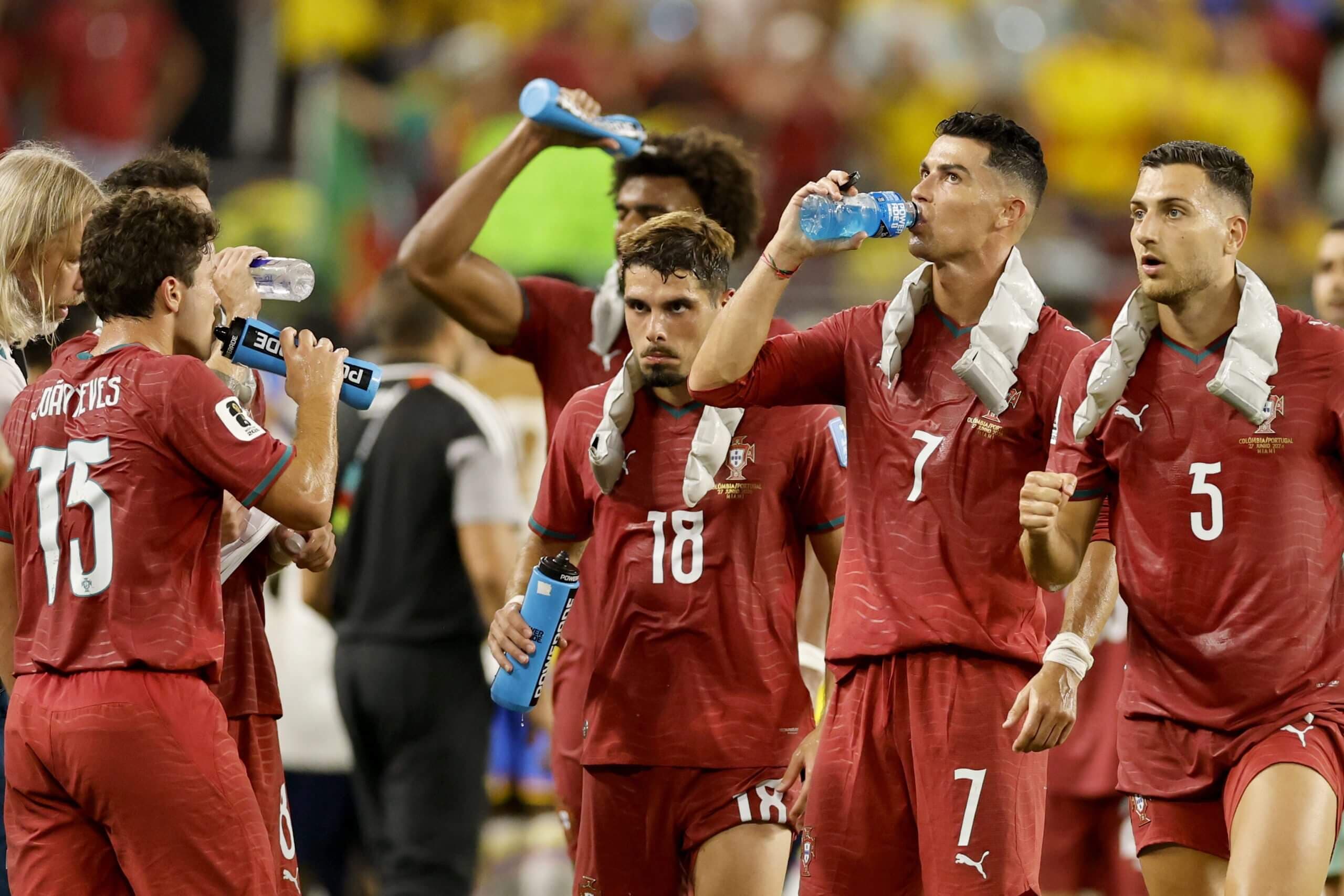
The 2026 FIFA World Cup could face disruptions from extreme heat in the United States this week, with FIFA's heat-related protocols potentially leading to cooling breaks or match delays.
Full article
Attributed to original sourceThere have been disrputions because of thunderstorms, but heat is set to be the biggest factor affecting matches in the round of 32
Source attribution: this article content is based on the linked publisher feed/source. Chance adds independent soccer context, impact analysis, entity links, and related news.
What happened
As the 2026 FIFA World Cup continues in the United States, extreme heat across host cities this week could trigger FIFA's weather-related protocols. The rules allow referees to implement cooling breaks, and in extreme cases, matches could be suspended or delayed. With summer temperatures soaring in many U.S. venues, the tournament's scheduling and player welfare become key concerns. FIFA has established guidelines including wet-bulb globe temperature thresholds that determine when interventions are necessary.
Chance analysis
Extreme heat impacts player performance, injury risk, and match outcomes, particularly affecting teams less acclimatized to high temperatures. Cooling breaks can disrupt match rhythm and momentum, while potential delays could force rescheduling. Teams from cooler climates (e.g., Northern European sides) may be more adversely affected than those from traditionally hot regions. The weather factor adds an unpredictable variable to match predictions and could favor teams with deeper squads capable of handling grueling conditions.
Matches in affected U.S. cities may see cooling breaks, delays, or suspensions, disadvantaging teams unaccustomed to extreme heat.
Account for potential cooling breaks or match delays when predicting affected fixtures; favor teams acclimatized to heat conditions.