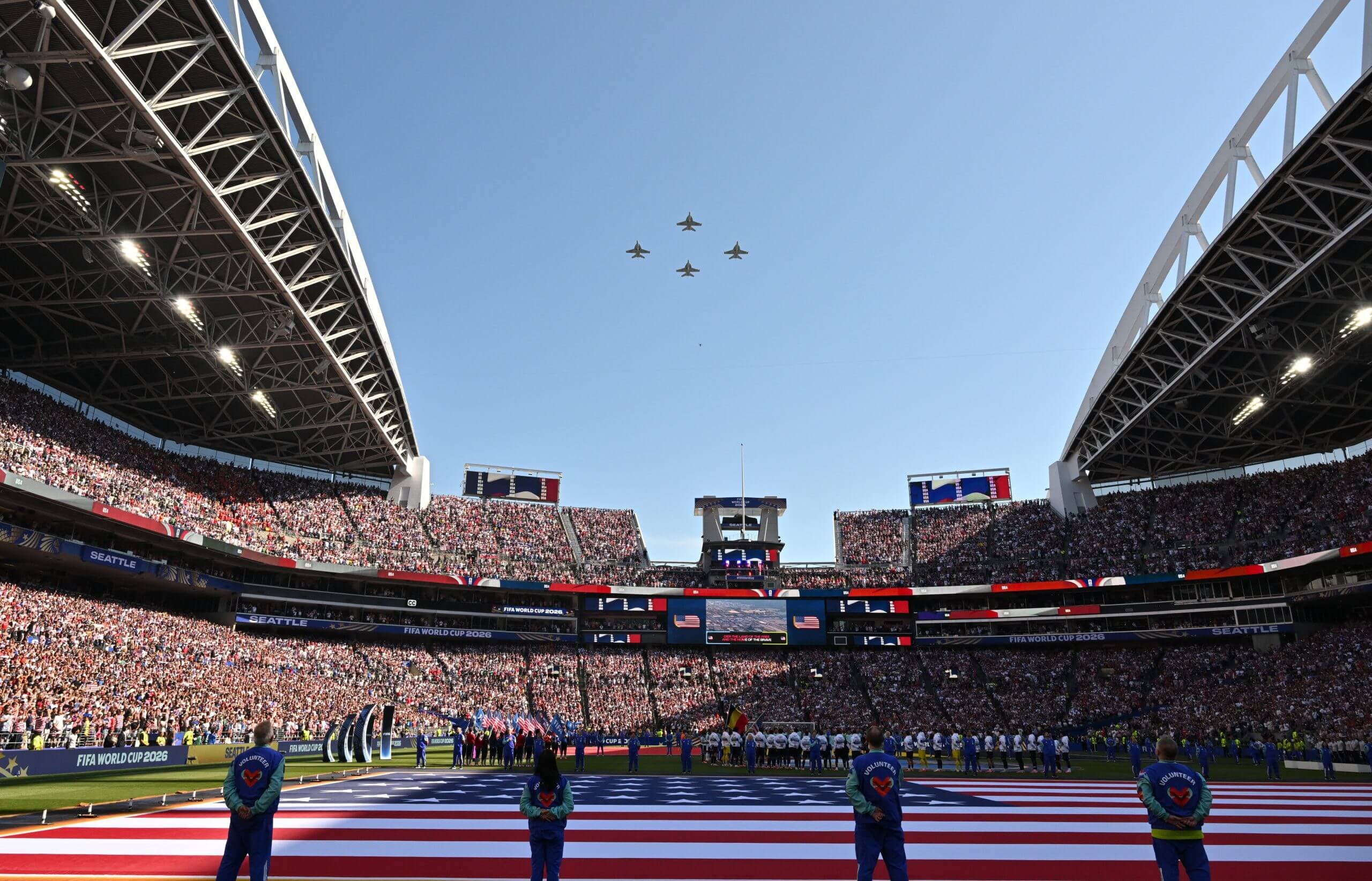
FIFA Americanized the World Cup in 2026: Are Hydration Breaks and Halftime Shows Here to Stay?
Quick summary
A New York Times feature examines how FIFA has 'Americanized' the 2026 World Cup with new elements like hydration breaks, halftime shows, and dynamic ticket pricing.
Full article
Attributed to original sourcePlenty aspects of the 2026 World Cup were utterly American or catered to an American audience. Will any of the changes stick?
Source attribution: this article content is based on the linked publisher feed/source. Chance adds independent soccer context, impact analysis, entity links, and related news.
What happened
The article explores the significant changes FIFA has introduced to the 2026 World Cup, drawing heavily from American sports entertainment traditions. Key innovations include mandatory hydration breaks, halftime performances, and dynamic ticket pricing models. These changes reflect FIFA's effort to make the tournament more commercially viable and spectator-friendly in the US market. The piece questions whether these American-style innovations will become permanent features of future World Cups or remain a one-off for the 2026 edition. It also touches on fan experience concerns, particularly around ticket affordability and the potential disruption of traditional match rhythms.
Chance analysis
This is a broader editorial about the cultural and commercial transformation of the World Cup, not a story with direct match-prediction or team-impact value. For soccer prediction systems, the hydration break rule could be marginally relevant as it affects match tempo and second-half stamina dynamics, but the article itself offers no specific tactical or statistical data. The real significance is institutional: FIFA's signaling that future tournaments may adopt entertainment-industry conventions, which could affect how leagues and federations globally approach their own product packaging.
No immediate impact on any specific team, player, or upcoming match; broader institutional discussion of World Cup format evolution.
No direct prediction value; background context on World Cup 2026 format changes that may marginally affect match rhythm analysis.