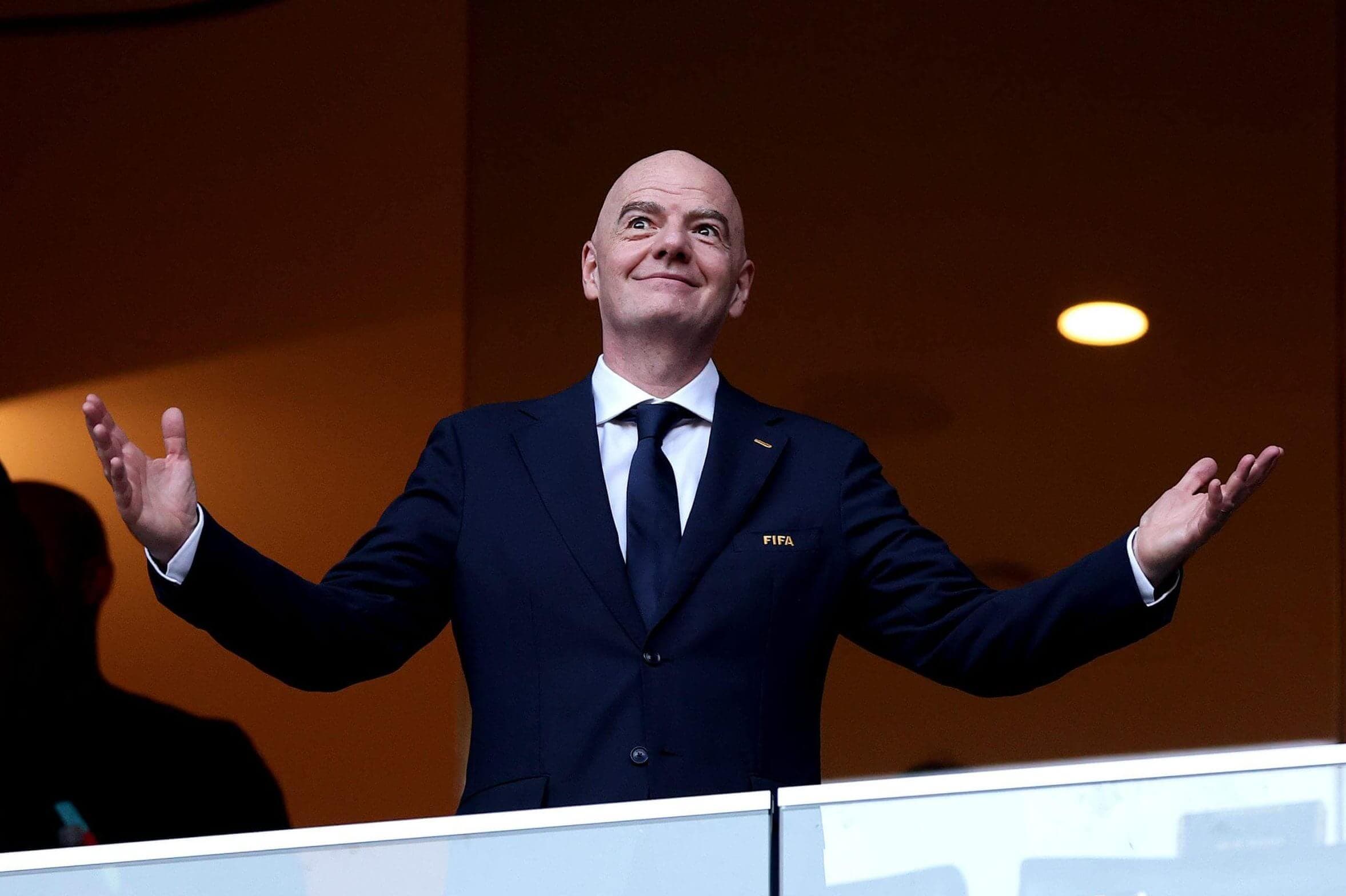
FIFA's Infantino defends role in Folarin Balogun case, insists process 'independent, autonomous'
Quick summary
FIFA President Gianni Infantino has defended his involvement in the Folarin Balogun disciplinary case, insisting the process is independent and autonomous amid political scrutiny.
Full article
Attributed to original sourceFIFA, along with Infantino, has been widely criticised amid suggestions of political interference from the White House.
Source attribution: this article content is based on the linked publisher feed/source. Chance adds independent soccer context, impact analysis, entity links, and related news.
What happened
FIFA President Gianni Infantino has publicly defended his role in the disciplinary proceedings against USMNT and Monaco striker Folarin Balogun, who faces a World Cup ban. The case has attracted political attention, reportedly involving US political figures. Infantino maintains that despite the high-profile nature of the situation, FIFA's judicial process remains 'independent, autonomous' and free from political interference. The controversy raises questions about the integrity of FIFA's disciplinary mechanisms and the potential politicization of football governance ahead of a major tournament.
Chance analysis
This story sits at the intersection of football governance, disciplinary processes, and geopolitics. Balogun's potential World Cup ban is significant for both club (Monaco) and country (USMNT), and the political dimension—given reported US governmental involvement—adds an unusual layer. For prediction systems, the key variable is whether Balogun will be available for upcoming matches; Infantino's defense of process integrity is more about institutional credibility than tactical impact.
Potential negative impact on Monaco and USMNT if Balogun receives a World Cup ban, with broader implications for FIFA governance credibility.
Monitor Balogun's availability for Monaco and USMNT fixtures; a confirmed ban would be a major negative for both sides' attacking options.