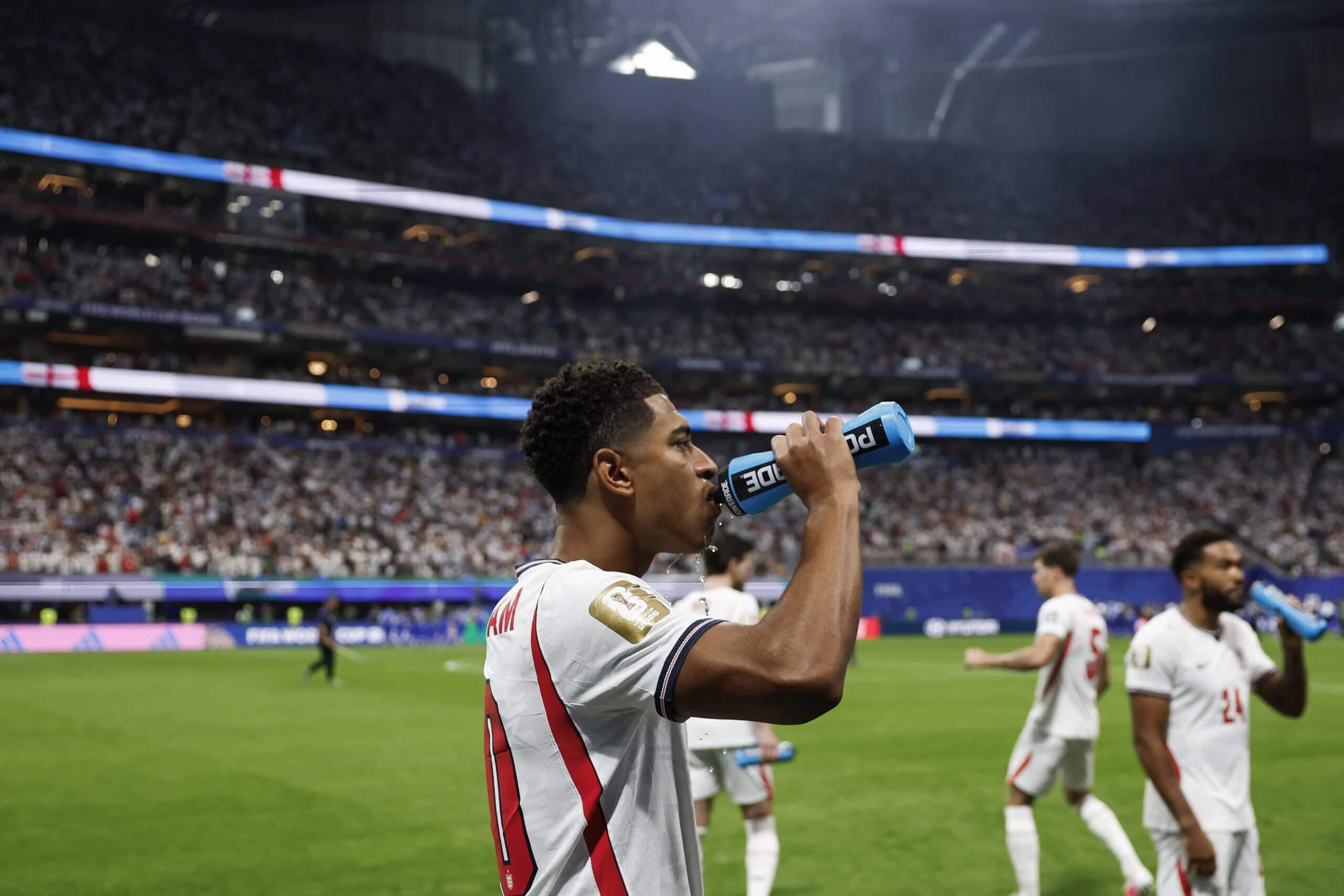
High temperatures at the 2026 World Cup meant less pressing — and better matches
Quick summary
A tactical analysis of how extreme heat at the 2026 World Cup reduced pressing intensity across matches, resulting in higher-quality, more open games.
Full article
Attributed to original sourceIn an era when physical football is dominating the club game, a decent fix is playing matches where relentless sprinting isn’t possible
Source attribution: this article content is based on the linked publisher feed/source. Chance adds independent soccer context, impact analysis, entity links, and related news.
What happened
The 2026 World Cup, played under unusually high temperatures, saw a notable drop in pressing intensity across participating teams. According to tactical analysis, the heat forced teams to conserve energy, leading to less aggressive high presses and more structured, possession-based play. The unintended consequence was a tournament characterized by more open, entertaining matches with higher technical quality. The piece examines the tactical adjustments coaches made and the broader implications for how climate may influence future tournament strategies.
Chance analysis
This is a macro-tactical observation linking environmental conditions to playing style. For prediction systems, it suggests that future tournaments in hot climates may systematically produce different match dynamics — fewer high-pressing duels, more controlled possession phases, and potentially more goals from open play rather than transitions. It also raises strategic questions about squad construction and game management for clubs and national teams facing similar conditions.
Climate conditions at future tournaments may fundamentally alter tactical approaches, with teams prioritizing energy conservation over high-press systems.
When modeling matches in hot conditions or summer tournaments, expect reduced pressing metrics and potentially more open, higher-scoring games.