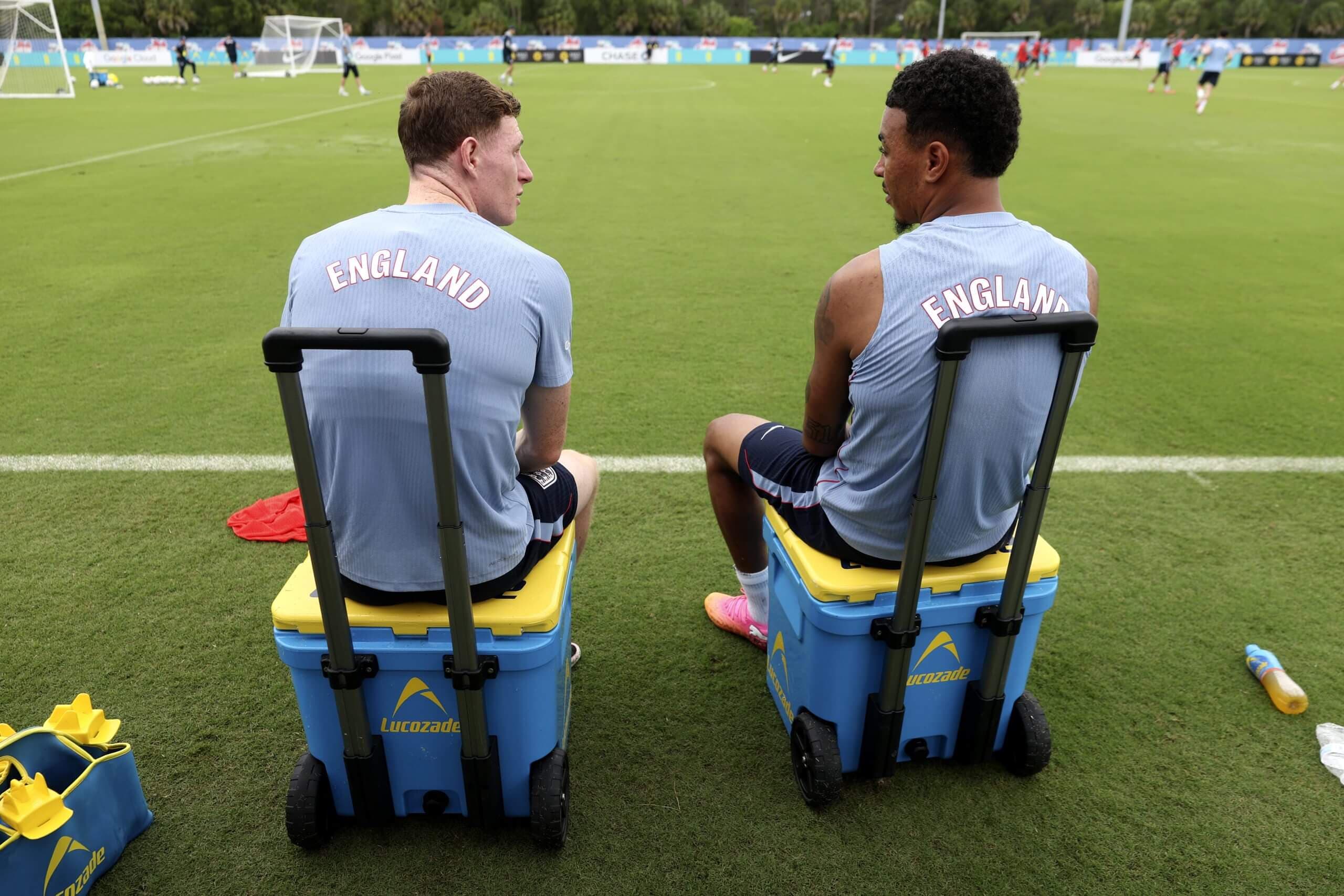
How big transfers happen during a World Cup: Player talks, medicals, fees
Quick summary
The Athletic explains the behind-the-scenes mechanics of how major transfer deals are negotiated, agreed and finalized during a World Cup window, including player conversations, medical scheduling and fee structures.
Full article
Attributed to original sourceHow do national teams and players manage when they are in the middle of an impending move?
Source attribution: this article content is based on the linked publisher feed/source. Chance adds independent soccer context, impact analysis, entity links, and related news.
What happened
This explainer piece from The Athletic details the unusual dynamic of the transfer market overlapping with a major international tournament. It covers how clubs balance scouting, negotiations and logistics while players and agents are focused on national team duty. The article examines the role of intermediaries, the timing of medicals around tournament schedules, and how fees are structured when deals are effectively negotiated in corridors and hotels rather than at club facilities. It also looks at historical examples of transfers confirmed during tournament windows and the strategic advantages — and risks — for clubs that move decisively during this period.
Chance analysis
World Cup windows create a compressed, high-stakes transfer market where buyer and seller dynamics shift: selling clubs are often distracted, players use tournament platforms to boost valuation, and ambitious buyers can strike before competition normalizes prices. For prediction and scouting systems, this means transfer values and timing during summer tournament years are systematically different from non-tournament windows, with a higher proportion of deals contingent on tournament performance.
No direct impact on any specific team or player; this is a process explainer that reframes how the upcoming 2026 World Cup summer window should be analyzed.
Treat World Cup-year summer transfer windows as a distinct market regime with compressed timelines, performance-contingent valuations, and elevated medical/availability risk for incoming signings.