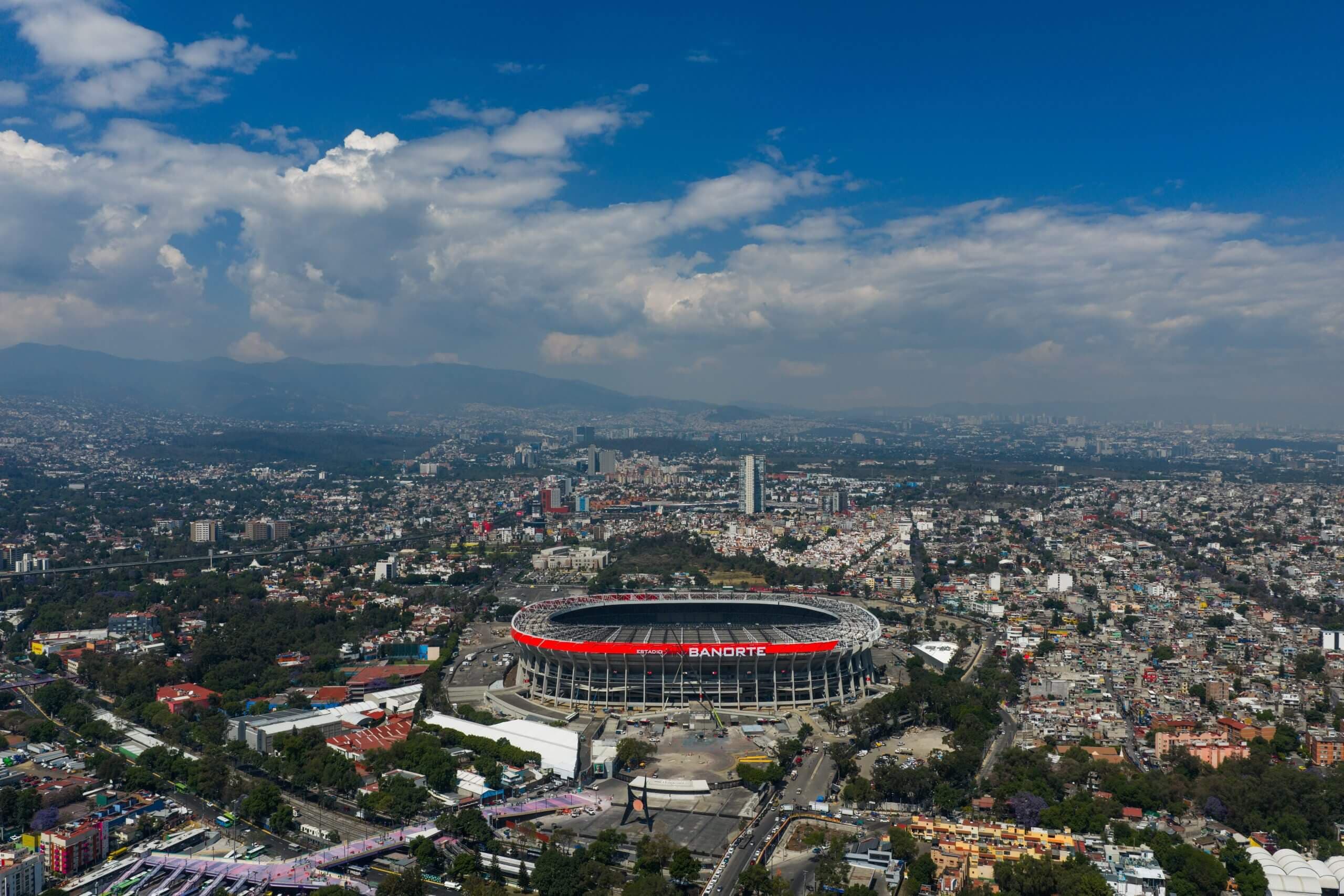
How England are preparing for altitude challenge against Mexico at the Azteca
Quick summary
Tactical analysis of how England are physically and tactically preparing to face Mexico at high altitude at the Azteca Stadium during the 2026 World Cup.
Full article
Attributed to original sourceHow much of an altitude advantage will the co-hosts have? And what can Thomas Tuchel's side do to counter it?
Source attribution: this article content is based on the linked publisher feed/source. Chance adds independent soccer context, impact analysis, entity links, and related news.
What happened
With Mexico City sitting roughly 2,240 metres above sea level, England's coaching and medical staff are implementing specific altitude-acclimatisation protocols ahead of their 2026 World Cup fixture against Mexico at the Azteca. The piece examines training-camp logistics, squad-rotation considerations, hydration and recovery strategies, and tactical adjustments England may deploy to mitigate the physiological impact of thin air on pressing intensity, sprint output, and ball-in-play aerial duels. It also considers Mexico's own familiarity advantage with the venue.
Chance analysis
Altitude is a meaningful but often over-stated variable in match prediction. For England, the key analytical levers are squad selection (favouring players with higher baseline aerobic capacity), reduced high-press volume to preserve legs in the final 20 minutes, and set-piece emphasis to maximise dead-ball efficiency in conditions that suppress open-play running output. Mexico's home-familiarity at the Azteca adds a second-order advantage. Prediction systems should mildly downgrade England's expected pressing intensity and late-game stamina, and slightly upgrade Mexico's draw/under performance in this fixture.
England may rotate or adjust tactical approach to cope with altitude, potentially reducing their high-press output and affecting match tempo against Mexico at the Azteca.
Apply a small negative adjustment to England's late-game stamina and pressing metrics, and a small positive adjustment to Mexico's home-familiarity factor, when modelling the Azteca fixture.