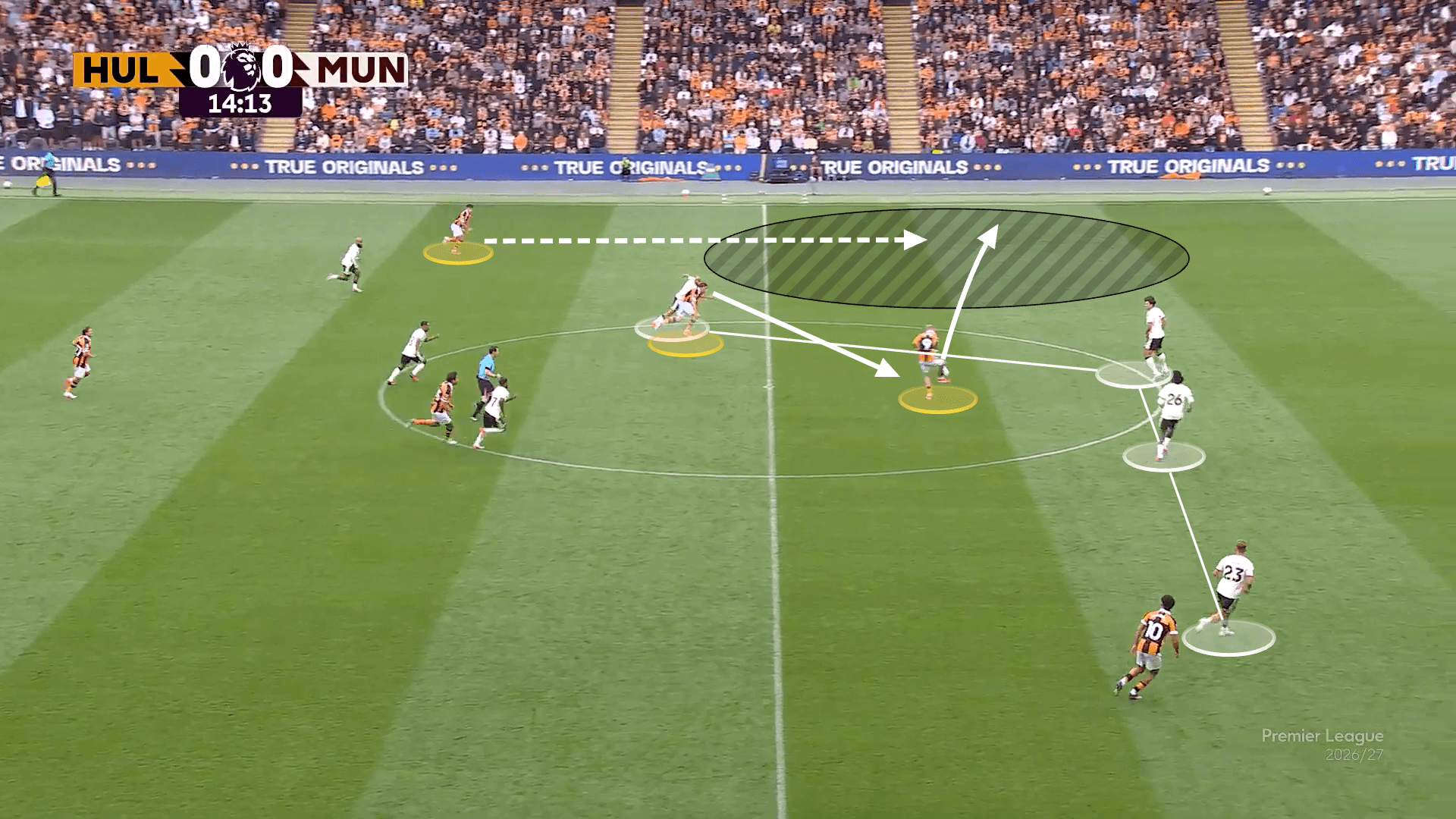
How Hull exposed Man United's weaknesses: low block, aerial domination and quick attacks
Quick summary
Tactical analysis of how Hull City's defensive structure and direct play exploited Manchester United's vulnerabilities in their match.
Full article
Attributed to original sourceBreaking down what Hull did so well - and Manchester United could not handle - on the opening Premier League weekend
Source attribution: this article content is based on the linked publisher feed/source. Chance adds independent soccer context, impact analysis, entity links, and related news.
What happened
A detailed tactical breakdown of a Hull City vs Manchester United match, examining how Hull deployed a compact low block to frustrate United's build-up, dominated aerial duels to control second balls, and launched quick transitional attacks to expose defensive gaps. The analysis highlights systemic issues in United's defensive shape, midfield transitions, and vulnerability to direct, physical opposition.
Chance analysis
Hull's performance offered a blueprint for how structured, physically imposing mid-table sides can unsettle Manchester United. By sitting deep, winning the aerial battle, and attacking with pace on the break, they repeatedly forced United into uncomfortable defensive transitions. For United, the recurring themes — susceptibility to direct play, midfield disorganization in transition, and fragility against set-pieces — reinforce concerns that have followed the club across recent seasons.
Manchester United's defensive frailties against low-block, direct opposition were laid bare, raising questions about tactical preparation and squad balance.