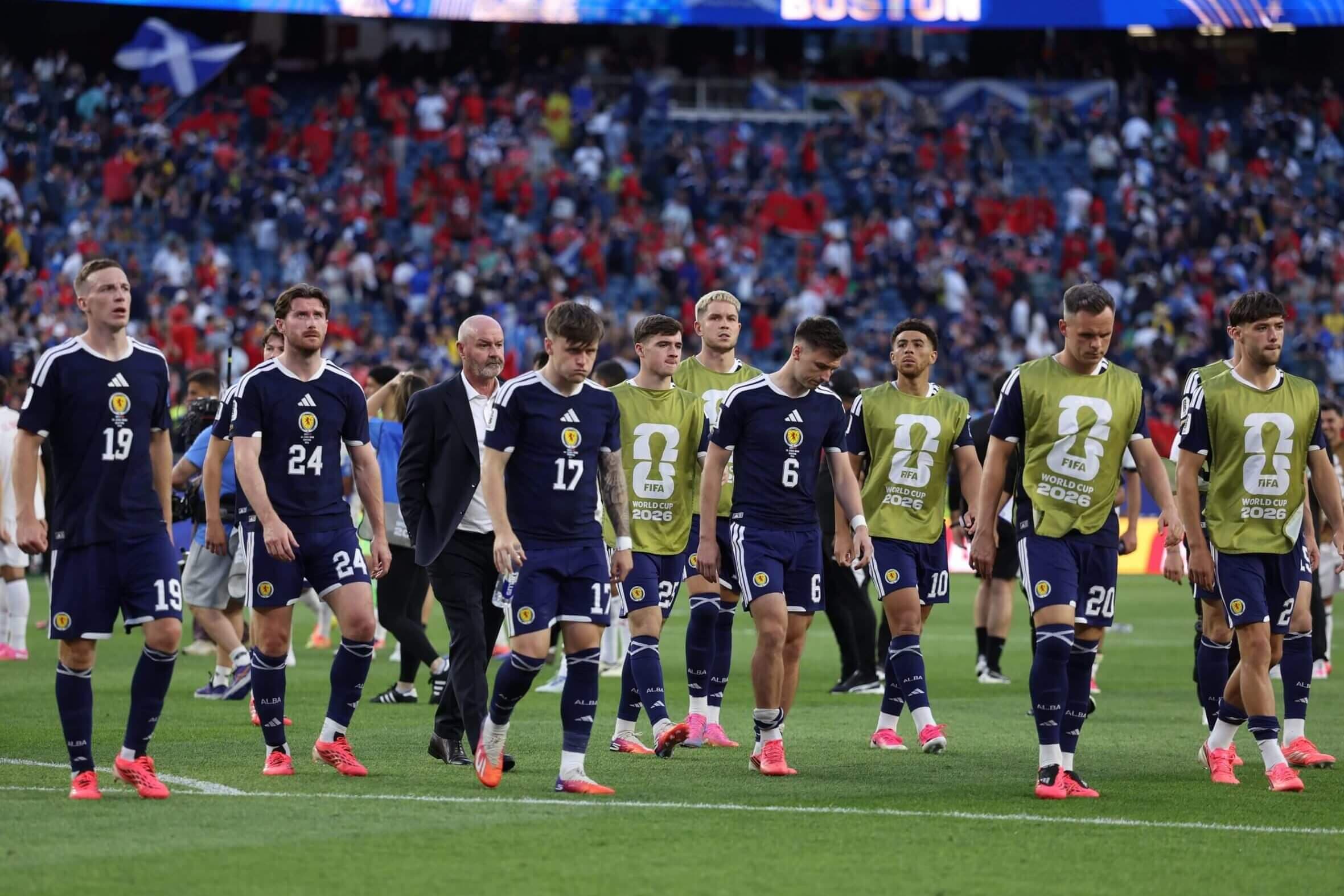
How losing can still be winning at a 48-team World Cup
Quick summary
The Athletic explains how teams can still progress at the expanded 48-team 2026 FIFA World Cup even after losing matches, due to the new third-place qualification pathway.
Full article
Attributed to original sourceIf the stars align, a defeat could become a win for a number of teams bidding to reach the knockout stages of this World Cup
Source attribution: this article content is based on the linked publisher feed/source. Chance adds independent soccer context, impact analysis, entity links, and related news.
What happened
The 2026 FIFA World Cup will feature 48 teams, a significant expansion from the traditional 32-team format. Under the new structure, teams that finish third in their group can still advance to the knockout rounds, meaning a single loss no longer spells elimination. This explainer piece examines the implications of the revised format, including how group-stage strategy may shift, the increased opportunities for underdog nations, and the potential dilution of competitive intensity. The article frames 'losing' as a viable path forward in the revamped tournament structure.
Chance analysis
The expanded 48-team World Cup fundamentally changes group-stage dynamics, as teams finishing third in their groups still progress to the knockout phase. This reduces the marginal cost of individual losses, potentially encouraging more attacking play in dead-rubber matches and giving smaller nations genuine knockout-stage pathways. For prediction systems, the increased number of knockout matches and the broader pool of advancing teams means more variance in later rounds and more opportunities for upsets.
The revised format makes group-stage losses less punishing, increasing knockout-stage participation and potential for upsets across the 2026 World Cup.
Factor in that third-place group finishers advance at the 2026 World Cup when modeling group-stage outcomes and knockout bracket probabilities.