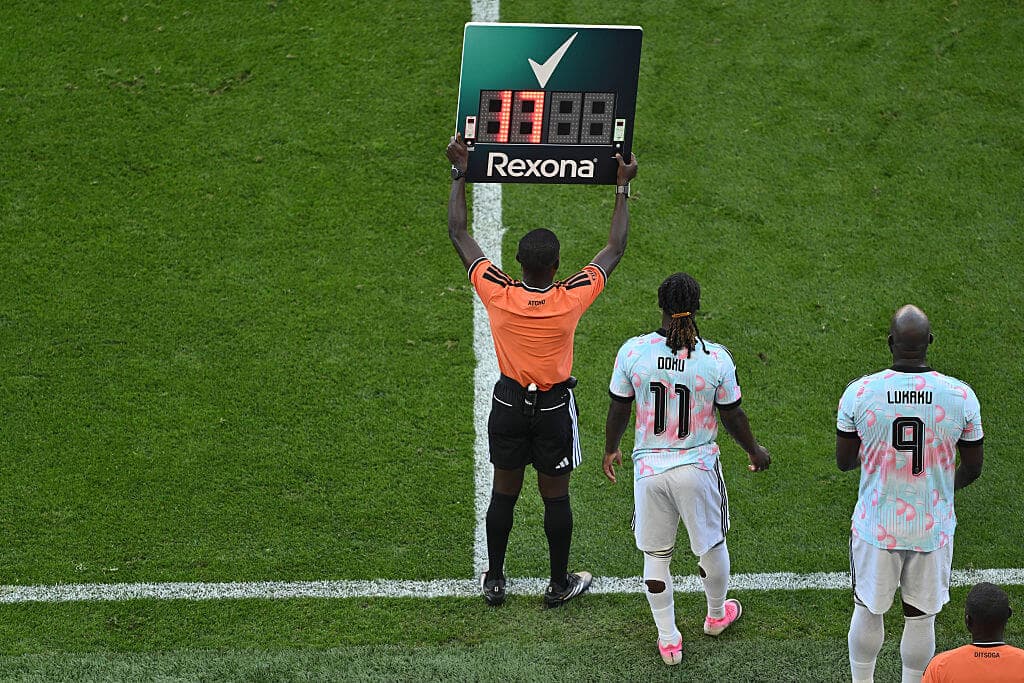
How substitutions are deciding World Cup games like never before
Quick summary
A tactical analysis of how substitutions are having an unprecedented impact on World Cup matches, with substitutes contributing at record rates to goals and decisive moments.
Full article
Attributed to original sourceSubstitutes are playing a huge role in this World Cup. Why has that been and how will they affect the final rounds?
Source attribution: this article content is based on the linked publisher feed/source. Chance adds independent soccer context, impact analysis, entity links, and related news.
What happened
The Athletic examines a growing trend at the 2026 World Cup where substitutes are directly influencing match outcomes at historically high rates. The piece explores tactical, regulatory, and squad-depth factors driving this phenomenon, including the expanded squad sizes and substitution rules that allow coaches more bench options. The analysis likely covers specific match examples, coaching trends, and the broader shift toward squad rotation as a strategic weapon in tournament football.
Chance analysis
This piece signals a meaningful tactical shift: bench players are no longer just impact substitutes but core tactical instruments, reflecting deeper squads, evolving substitution rules, and managers willing to use all available changes earlier. For prediction systems, this suggests World Cup match models should weight late-game xG and substitute contributions more heavily, and that squad depth (not just starting XI quality) is a stronger differentiator in knockout football than in prior tournaments.
Tournament-wide tactical trend that elevates the value of deep squads and aggressive substitution strategies for coaches planning knockout-stage matches.
Weight substitute impact and late-match goals more heavily when modeling 2026 World Cup outcomes, and prioritize squad depth as a team-strength signal.