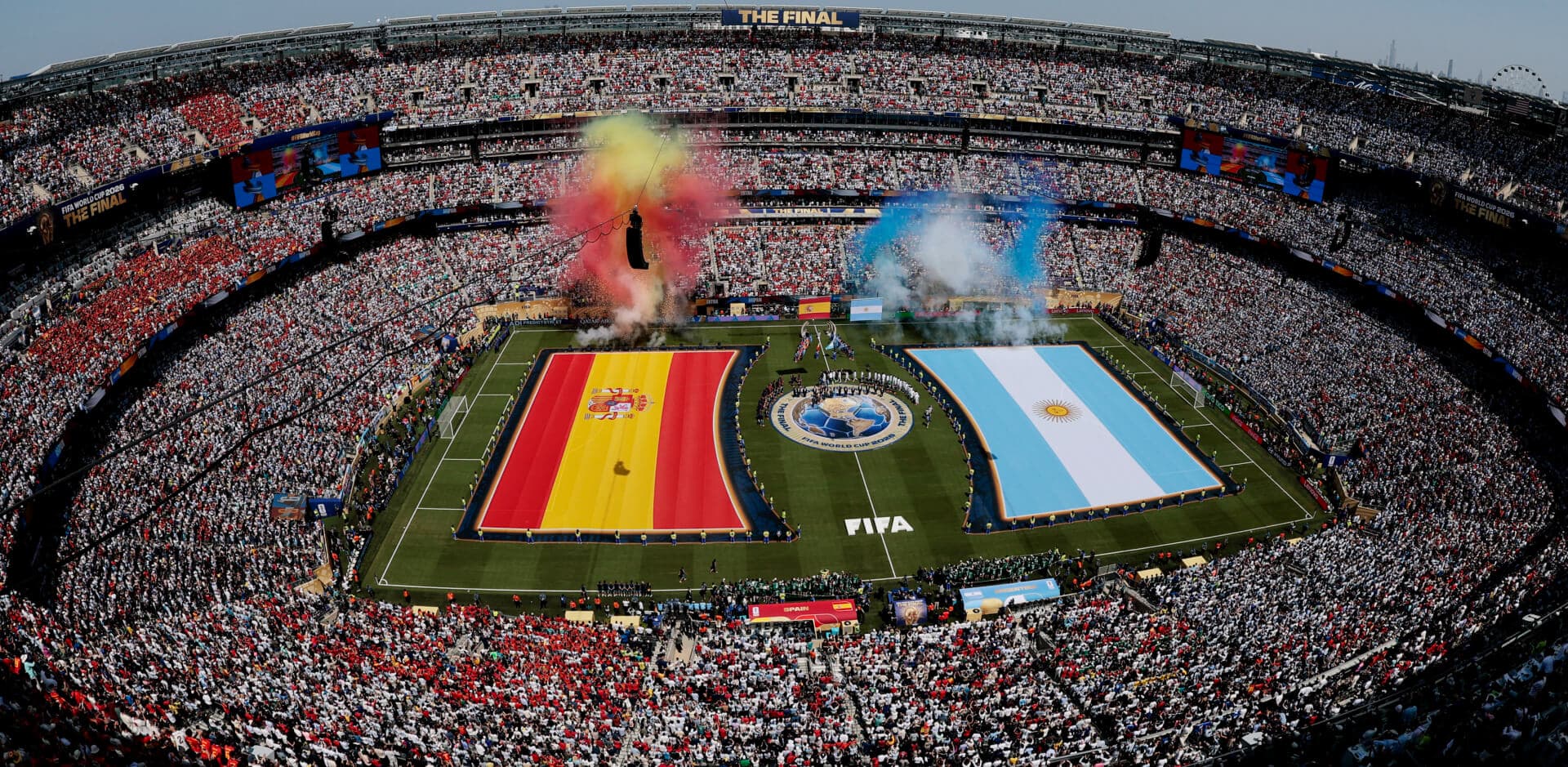
How the 1994 World Cup shaped a generation of Americans — and what 2026 could do
Quick summary
A New York Times feature examining the cultural legacy of the 1994 World Cup in the United States and speculating on what impact the 2026 tournament might have on American soccer.
Full article
Attributed to original sourceThere's no denying a landmark World Cup will leave an indelible mark on America. But what will be its legacy? And who will it galvanize?
Source attribution: this article content is based on the linked publisher feed/source. Chance adds independent soccer context, impact analysis, entity links, and related news.
What happened
The article reflects on how hosting the 1994 World Cup catalyzed the growth of professional soccer in the U.S., including the founding of MLS, and draws parallels to the upcoming 2026 tournament co-hosted by the U.S., Mexico, and Canada. It considers infrastructure investment, grassroots participation, and the commercial expansion of the sport. The piece is retrospective and forward-looking, framing 2026 as a potentially transformative moment for soccer's standing in the American sports landscape.
Chance analysis
While not directly predictive, this kind of long-form framing signals heightened mainstream interest in the 2026 World Cup, which could influence viewership, sponsorship, and MLS valuation. For prediction systems, the piece is background context rather than actionable intelligence, but it underscores that the U.S. will be under heightened domestic scrutiny as a host nation, which may affect pressure on the USMNT and host-side dynamics.
No direct impact on teams, players, or matches — a cultural/legacy feature ahead of the 2026 World Cup.
Use as background context for 2026 World Cup framing; no specific teams or players are affected by this feature.