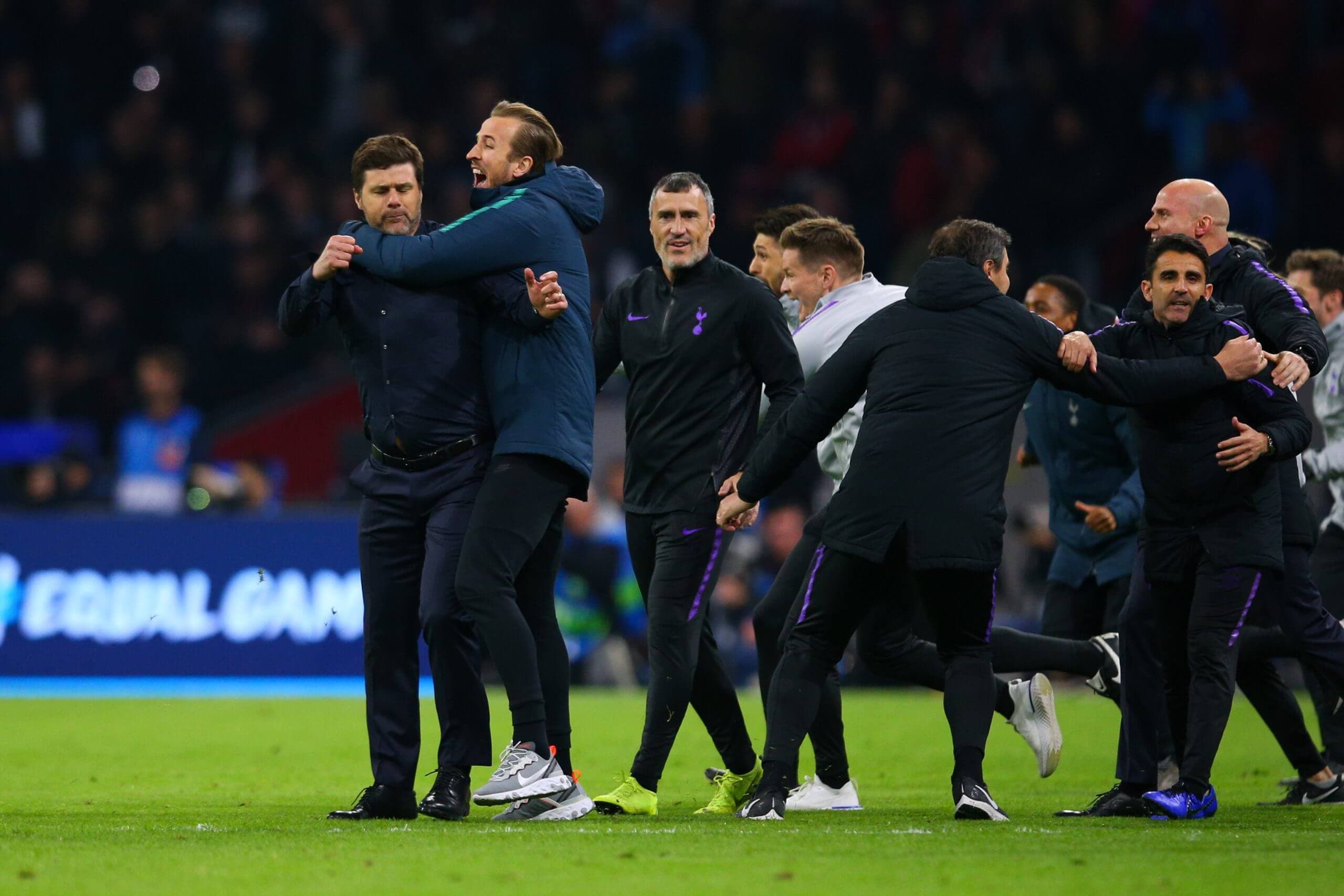
How USMNT can win without Folarin Balogun: Lessons from Pochettino's Harry Kane replacement at Tottenham
Quick summary
Tactical analysis exploring how Mauricio Pochettino's USMNT can cope without injured striker Folarin Balogun, drawing parallels to how he replaced Harry Kane at Tottenham with different tactical setups.
Full article
Attributed to original sourceThe USMNT will be without its top striker for a marquee match. It's not the first time Mauricio Pochettino has encountered that challenge
Source attribution: this article content is based on the linked publisher feed/source. Chance adds independent soccer context, impact analysis, entity links, and related news.
What happened
With Folarin Balogun ruled out ahead of the USMNT's clash with Belgium, the article examines Mauricio Pochettino's historical solutions for replacing star strikers, specifically his tactical adjustments at Tottenham when Harry Kane was absent. It analyzes potential formation changes, alternative striker options, and structural tweaks Pochettino has employed in similar situations. The piece uses the Ajax-Tottenham context as a case study for how Pochettino adapted his attacking shape to maintain goal threat without a traditional No. 9.
Chance analysis
Balogun's absence is a significant blow to USMNT's attacking options ahead of a competitive fixture against Belgium. Pochettino's track record of adapting his system to cover for missing strikers — rather than simply slotting in a like-for-like replacement — suggests the US may shift to a more fluid front line, potentially relying on wide forwards, false-9 setups, or midfield runners. For prediction purposes, this implies USMNT's expected goal profile changes: less central penalty-box presence, more chance creation from wide areas and cutbacks.
Balogun's absence likely forces a tactical reshuffle from Pochettino, reducing USMNT's central finishing threat but potentially increasing wide creativity.
Adjust USMNT attacking expectation downward in central channels but maintain wide-area threat; consider false-9 or rotated front-line probabilities in lineup prediction.