Back to Soccer
How World Cup teams cope with travel, lack of sleep and accumulated fatigue
tacticallowNeutral85% confidence

How World Cup teams cope with travel, lack of sleep and accumulated fatigue

June 28, 2026 at 04:05 AM
EditorialTacticalLow urgency85% confidence

Quick summary

A tactical analysis feature exploring how national teams manage travel demands, sleep disruption, and cumulative fatigue during World Cup tournaments, with focus on the 2026 edition.

Full article

Attributed to original source

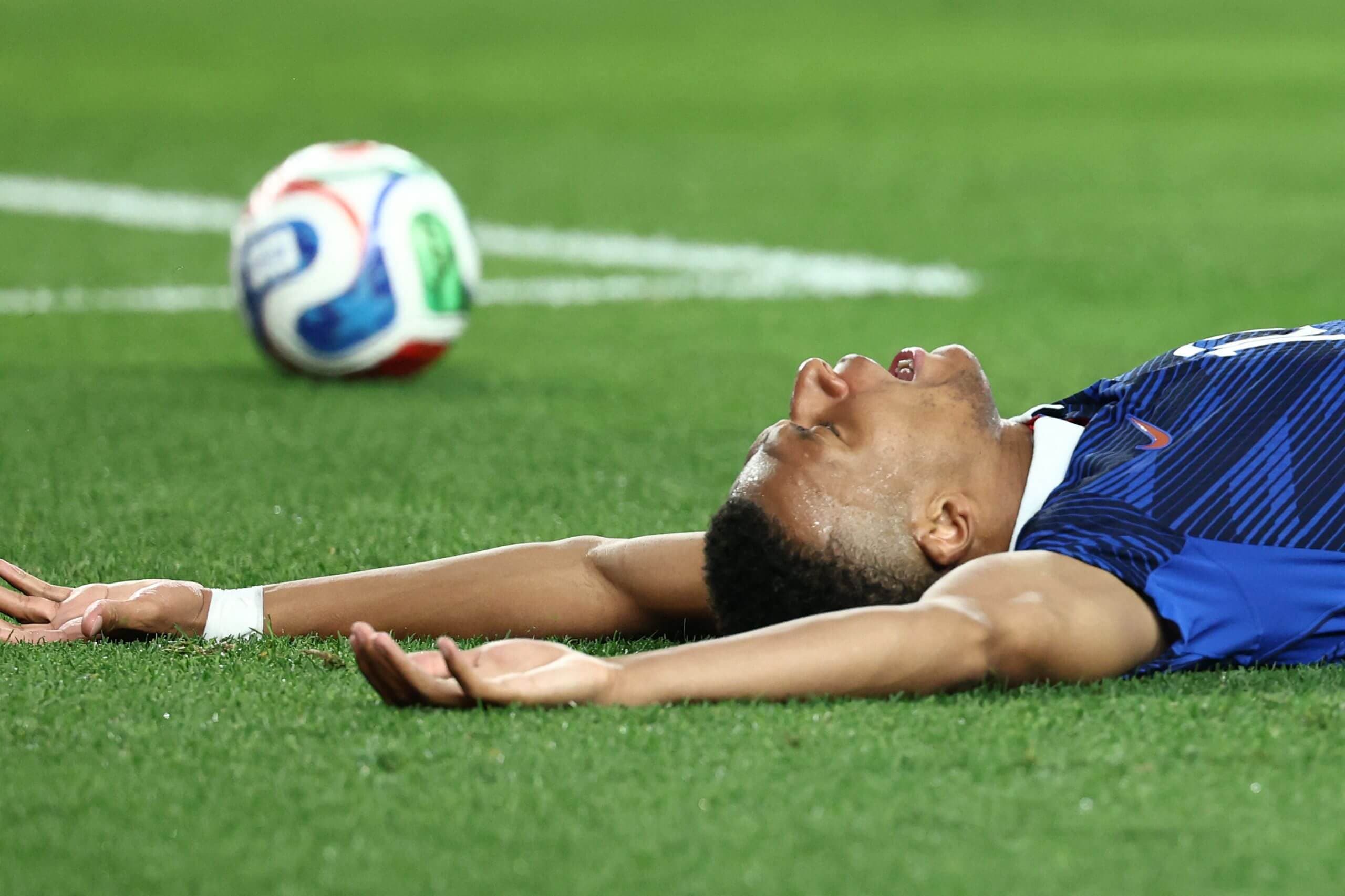
Performance expert Alan McCall explains how World Cup teams will try to keep their players fresh in the knockout stages

Source attribution: this article content is based on the linked publisher feed/source. Chance adds independent soccer context, impact analysis, entity links, and related news.

What happened

The Athletic examines the physiological and logistical challenges that World Cup squads face, particularly as tournaments expand and require extensive travel between host cities. The piece explores sleep science, recovery protocols, and team strategies used to mitigate fatigue, which can significantly influence on-pitch performance. With the 2026 World Cup spanning the United States, Canada, and Mexico, travel demands are expected to be more extreme than ever, making fatigue management a competitive advantage. The analysis likely draws on sports science research and case studies from previous tournaments to identify best practices for national federations.

Chance analysis

Travel fatigue and sleep deprivation are well-documented performance factors in tournament football, with research showing measurable impacts on reaction time, decision-making, and injury risk. Teams that invest in sleep science, recovery infrastructure, and squad rotation tend to progress further in tournament knockouts. For the 2026 World Cup, the expanded 48-team format and continental spread amplify these challenges, giving an edge to federations with deeper sports science resources. Prediction models and bettors should consider schedule difficulty and travel distance as meaningful factors, especially in group stage and early knockout fixtures.

Impact

No direct impact on a specific team or player; provides context on a systemic performance factor that affects all World Cup participants unevenly.

AI Insight

Factor travel distance, rest days, and recovery time between fixtures when modeling World Cup match outcomes, especially for teams with harder geographic paths.

Related entities
athletic-bilbaobournemouthusamexicoAthletic BilbaoFIFA World CupWorld CupWorld Cup 2026

Original source

Chance summarizes and analyzes this story, with attribution to the publisher/source.

Read Original Source
About this article

Tactical

How World Cup teams cope with travel, lack of sleep and accumulated fatigue

A tactical analysis feature exploring how national teams manage travel demands, sleep disruption, and cumulative fatigue during World Cup tournaments, with focus on the 2026 edition.

Article summary

The Athletic examines the physiological and logistical challenges that World Cup squads face, particularly as tournaments expand and require extensive travel between host cities. The piece explores sleep science, recovery protocols, and team strategies used to mitigate fatigue, which can significantly influence on-pitch performance. With the 2026 World Cup spanning the United States, Canada, and Mexico, travel demands are expected to be more extreme than ever, making fatigue management a competitive advantage. The analysis likely draws on sports science research and case studies from previous tournaments to identify best practices for national federations.

Travel fatigue and sleep deprivation are well-documented performance factors in tournament football, with research showing measurable impacts on reaction time, decision-making, and injury risk. Teams that invest in sleep science, recovery infrastructure, and squad rotation tend to progress further in tournament knockouts. For the 2026 World Cup, the expanded 48-team format and continental spread amplify these challenges, giving an edge to federations with deeper sports science resources. Prediction models and bettors should consider schedule difficulty and travel distance as meaningful factors, especially in group stage and early knockout fixtures.

Source and timing

Published
Jun 28, 2026, 4:05 AM
Category
Editorial
Confidence
85%
Priority
Low

Related teams, competitions, matches, and tags

  • athletic-bilbao
  • bournemouth
  • usa
  • mexico
  • Athletic Bilbao
  • FIFA World Cup
  • World Cup
  • World Cup 2026

Related article links

These related articles are returned by the same team or competition news APIs and are linked here only when real article data is available.

FAQ

What is this article based on?

This article page uses the article data returned by the Chance API, including source attribution, summaries, topics, and resolved soccer entities when available.

Does Chance invent related teams or competitions?

No. Related entities are shown only when article data includes real slugs or resolved entity records; clickable links require reliable route identifiers.

How World Cup teams cope with travel, lack of sleep and accumulated fatigue | Chance Soccer News