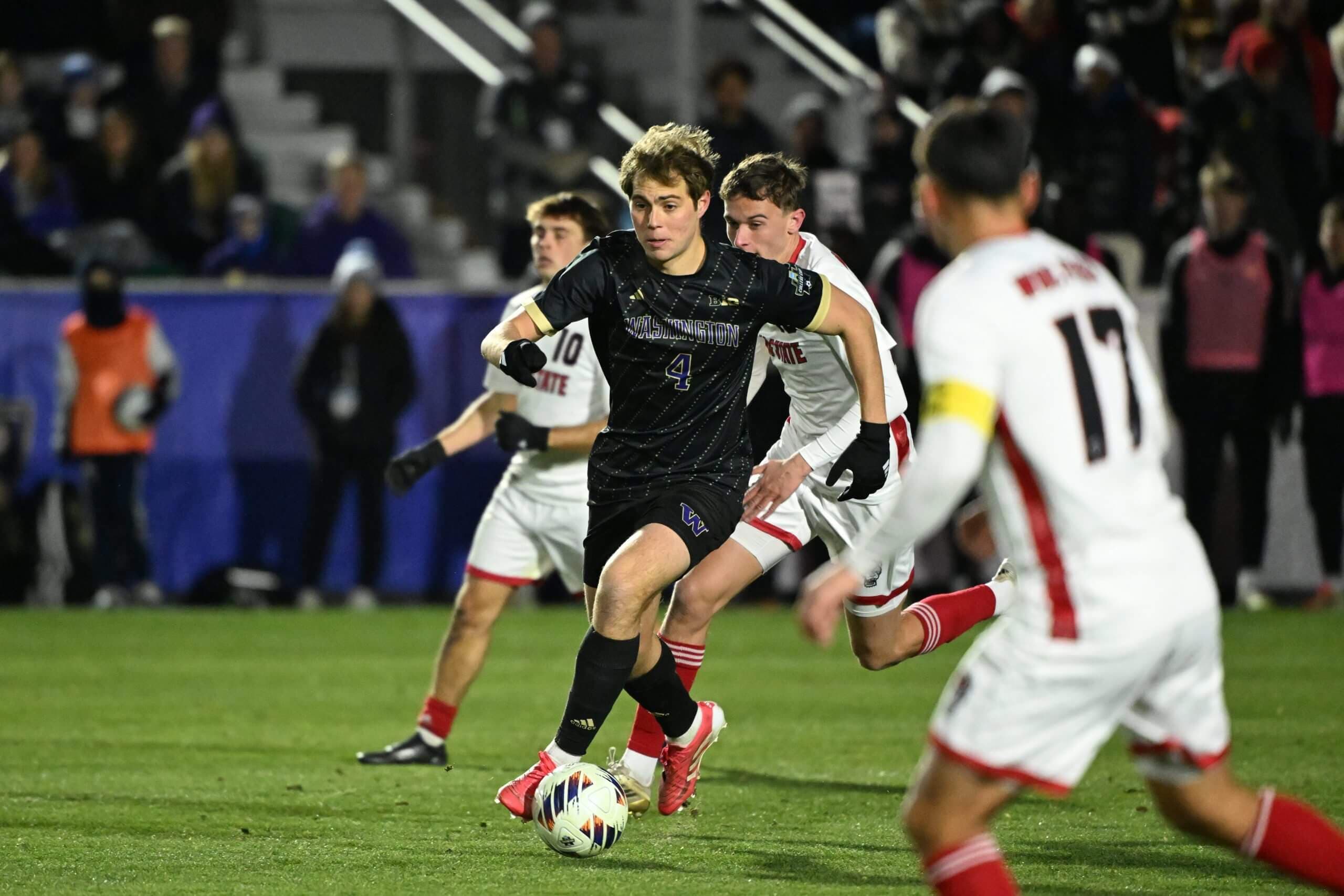
Is men's college soccer a viable path to the World Cup?
Quick summary
An analysis of how the NCAA college soccer pathway is evolving as a legitimate route for players aiming to reach the FIFA World Cup, particularly with the 2026 tournament approaching.
Full article
Attributed to original sourceThe men's college game is hardly dead, but it is not necessarily a destination for top domestic talent.
Source attribution: this article content is based on the linked publisher feed/source. Chance adds independent soccer context, impact analysis, entity links, and related news.
What happened
The piece examines the changing landscape of men's college soccer in the United States and its viability as a developmental pipeline to the senior national team and the World Cup. It explores how NCAA programs are adapting, the role of college soccer in player development, and how this pathway compares to traditional routes like MLS academies and European clubs. The article is particularly timely given the upcoming 2026 FIFA World Cup hosted in North America.
Chance analysis
The relevance of the college soccer pathway to the senior USMNT has been debated for years, with many top prospects opting for European development instead. This article likely highlights emerging trends—such as increased investment, tactical modernization, and the success of specific programs in producing international-caliber players. For prediction systems, this is background context on player development rather than actionable match intelligence, but it could inform long-term squad composition assessments for the USMNT.
No immediate impact on teams or matches; provides background context on USMNT player development pathways ahead of the 2026 World Cup.
No direct match or player prediction impact; this is a developmental pathway analysis relevant only to long-term USMNT squad building context.