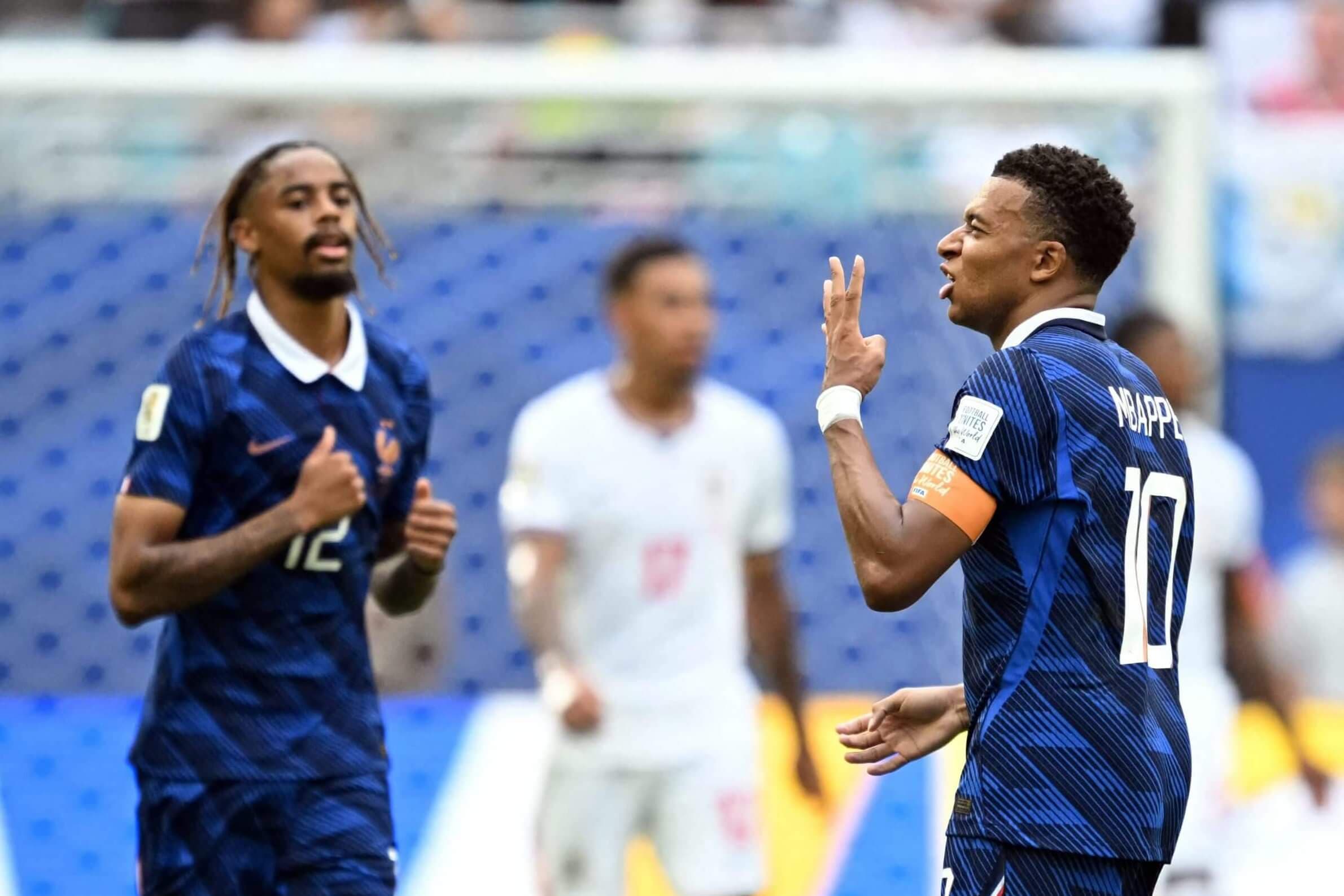
Is the Bronze Final a 'real' World Cup game? Day 38 recap and Golden Boot update
Quick summary
A Day 38 recap of the 2026 World Cup questioning the relevance of the third-place playoff while updating the Golden Boot race ahead of the final.
Full article
Attributed to original sourceShould Golden Boot race be decided by goals scored in a third-placed playoff, and what is Deschamps' France legacy?
Source attribution: this article content is based on the linked publisher feed/source. Chance adds independent soccer context, impact analysis, entity links, and related news.
What happened
This article recaps Day 38 of the 2026 FIFA World Cup, with a particular focus on the Bronze Final (third-place match) between the two losing semifinalists. It examines the perennial debate over whether the third-place game is taken seriously by players, coaches, and fans, given its limited competitive and trophy implications. The recap also covers the state of the Golden Boot race, noting which players are in contention as the tournament heads into its final day. The piece frames the Bronze Final as an unusual or anticlimactic fixture relative to the high-stakes matches that precede it.
Chance analysis
The Bronze Final is historically considered a low-motivation fixture, often producing open but tactically loose matches. For prediction and analysis purposes, third-place games tend to favor attacking football and see higher goal totals, but squad rotation, fatigue, and disinterest from eliminated teams can introduce variance. The Golden Boot update is more market-relevant, as it identifies the top scorer who could claim a personal accolade. The article itself is a tournament recap rather than breaking news, limiting its predictive value but offering useful tournament-narrative context.
Limited direct impact on upcoming match predictions; the Golden Boot update may affect individual player award markets, while the Bronze Final is largely ceremonial.
Use Golden Boot status for player-prop markets; treat Bronze Final goal markets cautiously given historical patterns of fatigue and rotation.