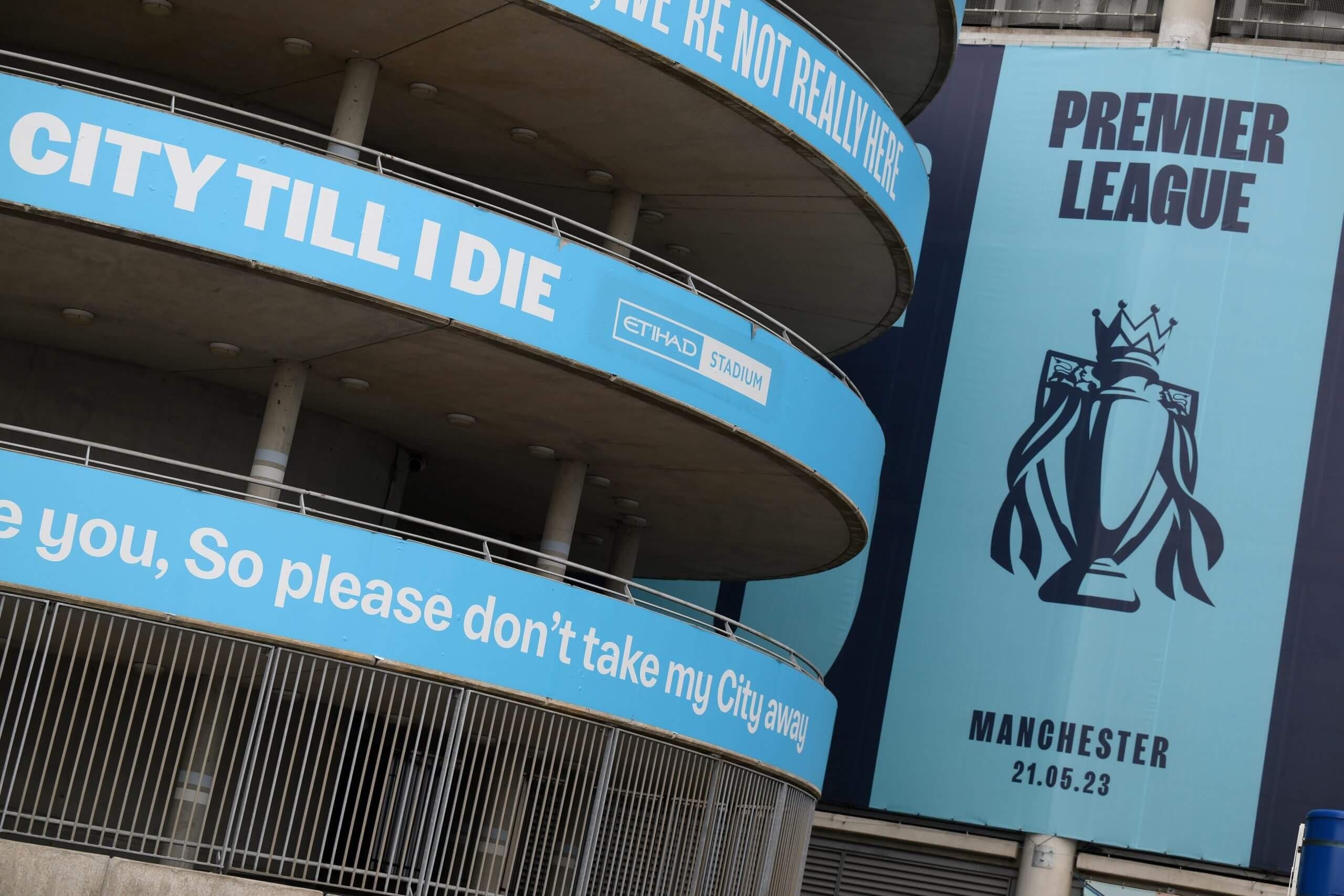
Manchester City vs the Premier League: After the day that shocked football, what next?
Quick summary
The New York Times/Athletic analyzes the aftermath of the landmark legal ruling between Manchester City and the Premier League over Associated Party Transaction (APT) rules and what it means for the competition's future.
Full article
Attributed to original sourceManchester City will fight on after being found guilty on almost all Premier League charges, but the future is uncertain for all parties
Source attribution: this article content is based on the linked publisher feed/source. Chance adds independent soccer context, impact analysis, entity links, and related news.
What happened
Following a seismic court verdict in the long-running dispute between Manchester City and the Premier League over APT regulations, the football world is reckoning with the consequences. The case, which challenged the league's rules governing commercial deals with entities linked to club ownership, had been seen as a defining test of financial fair play-style governance. The ruling has far-reaching implications for how the Premier League regulates club spending, for Manchester City's competitive position, and for rival clubs who have long argued the APT framework was necessary to maintain competitive balance. The piece explores potential appeals, regulatory restructuring, and how the landscape of English football's financial controls may be reshaped.
Chance analysis
The conclusion of the Manchester City versus Premier League legal battle is more than a courtroom outcome — it sets a precedent for how top-flight English football governs its own commercial ecosystem. For City, the verdict either clears a path forward or confirms constraints; for the Premier League, it forces a reckoning over whether its rulebook can withstand judicial scrutiny. Either way, the ruling reshapes the power balance between clubs and the league office, and rival clubs will be watching closely to see how APT-style regulations evolve in response.
The legal outcome reshapes the Premier League's regulatory framework and could alter Manchester City's commercial flexibility and competitive standing within the division.