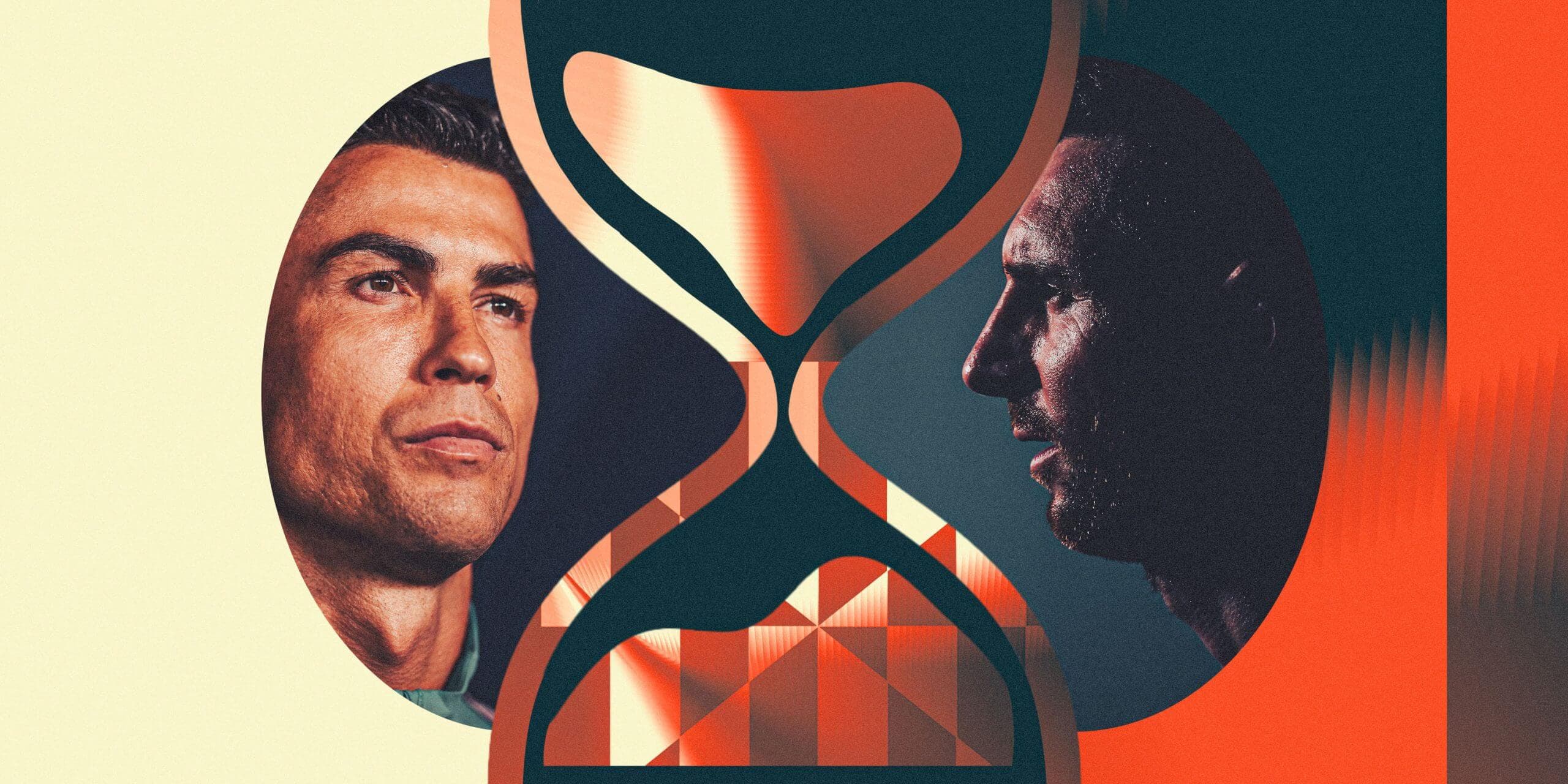
Ronaldo, Messi and the question that haunts sporting superstars: When do you stop?
Quick summary
A feature exploring when elite football superstars like Cristiano Ronaldo, Lionel Messi, and Luka Modric should retire, examining the cultural and psychological forces that keep aging icons competing.
Full article
Attributed to original sourceSome football titans are having their last dance at a World Cup
Source attribution: this article content is based on the linked publisher feed/source. Chance adds independent soccer context, impact analysis, entity links, and related news.
What happened
This Athletic/New York Times editorial examines the complex question of retirement for sporting superstars, using Ronaldo, Messi, and Modric as case studies. The piece discusses how modern sports science, financial incentives, competitive identity, and fan culture all push aging athletes to extend their careers well beyond traditional retirement windows. It reflects on the risks — declining performance, physical wear, and reputational damage — against the rewards of continuing at the top level.
Chance analysis
While not directly impacting upcoming fixtures, the article reflects an ongoing industry conversation about career longevity that affects squad planning for Al-Nassr, Inter Miami, and AC Milan/Real Madrid. A retirement decision from any of the three would be a major market-moving event, but this piece is reflective rather than news-bearing. For prediction systems, it serves as background context on the aging curve of elite talent rather than a signal of imminent change.
No immediate impact on teams or upcoming matches; the article frames a philosophical question rather than reporting actionable news.
No match-prediction signal — this is a reflective feature on athlete longevity with no concrete retirement announcements.