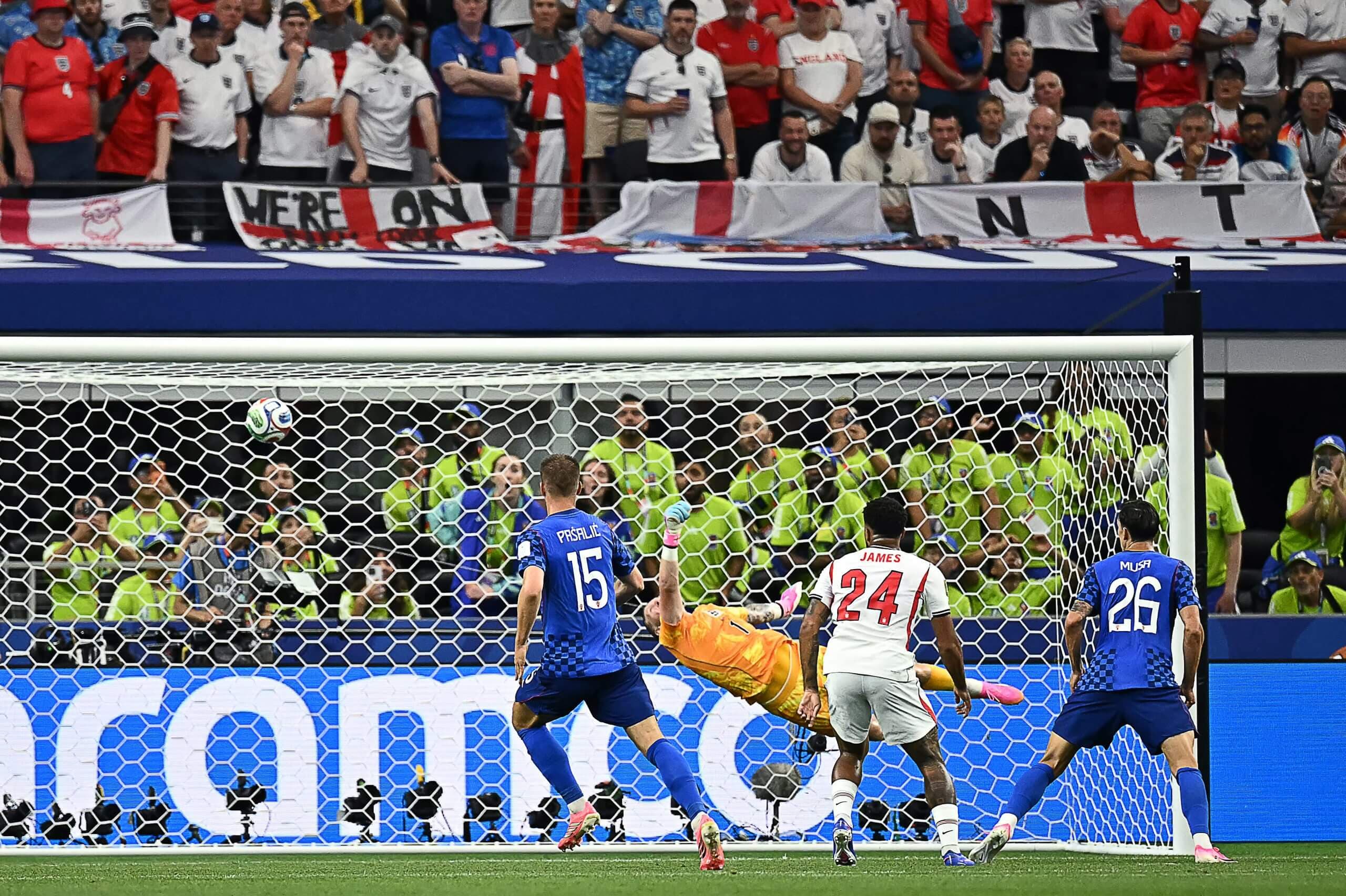
The freakish long-range shots that are changing the World Cup
Quick summary
A tactical analysis of the rising trend of long-range goals and shots at the 2026 FIFA World Cup, examining how this phenomenon is reshaping attacking play in the tournament.
Full article
Attributed to original sourceShots from outside the box have had a higher success rate this World Cup. Why is that? Here's what the numbers tell us.
Source attribution: this article content is based on the linked publisher feed/source. Chance adds independent soccer context, impact analysis, entity links, and related news.
What happened
The Athletic examines the surge in spectacular long-range goals during the 2026 FIFA World Cup, analyzing the tactical, technical, and environmental factors behind the trend. The piece explores how modern attacking approaches, shot selection data, goalkeeper positioning, and possibly the tournament's venues/conditions are contributing to more attempts and successes from outside the box. It contextualizes the trend within the broader evolution of football tactics and questions whether this represents a lasting shift in how teams approach final-third attacking play.
Chance analysis
This is a tactical-trend piece, not breaking news. For prediction systems, it suggests monitoring long-range shot volumes and conversion rates as a meaningful differentiator in World Cup matches. Teams whose goalkeepers are positioned aggressively or who defend the edge of the box poorly may be more exposed. The trend could also influence expected-goals models, as long-range attempts historically carry lower xG but may be converting at above-baseline rates in this tournament.
Broad tactical trend at the 2026 World Cup; may shift expectations around shot selection and defensive shape but does not directly affect any single match prediction.
If this trend holds, consider boosting teams with elite long-range shooters and factoring in higher xG from outside-the-box attempts when modeling World Cup matches.