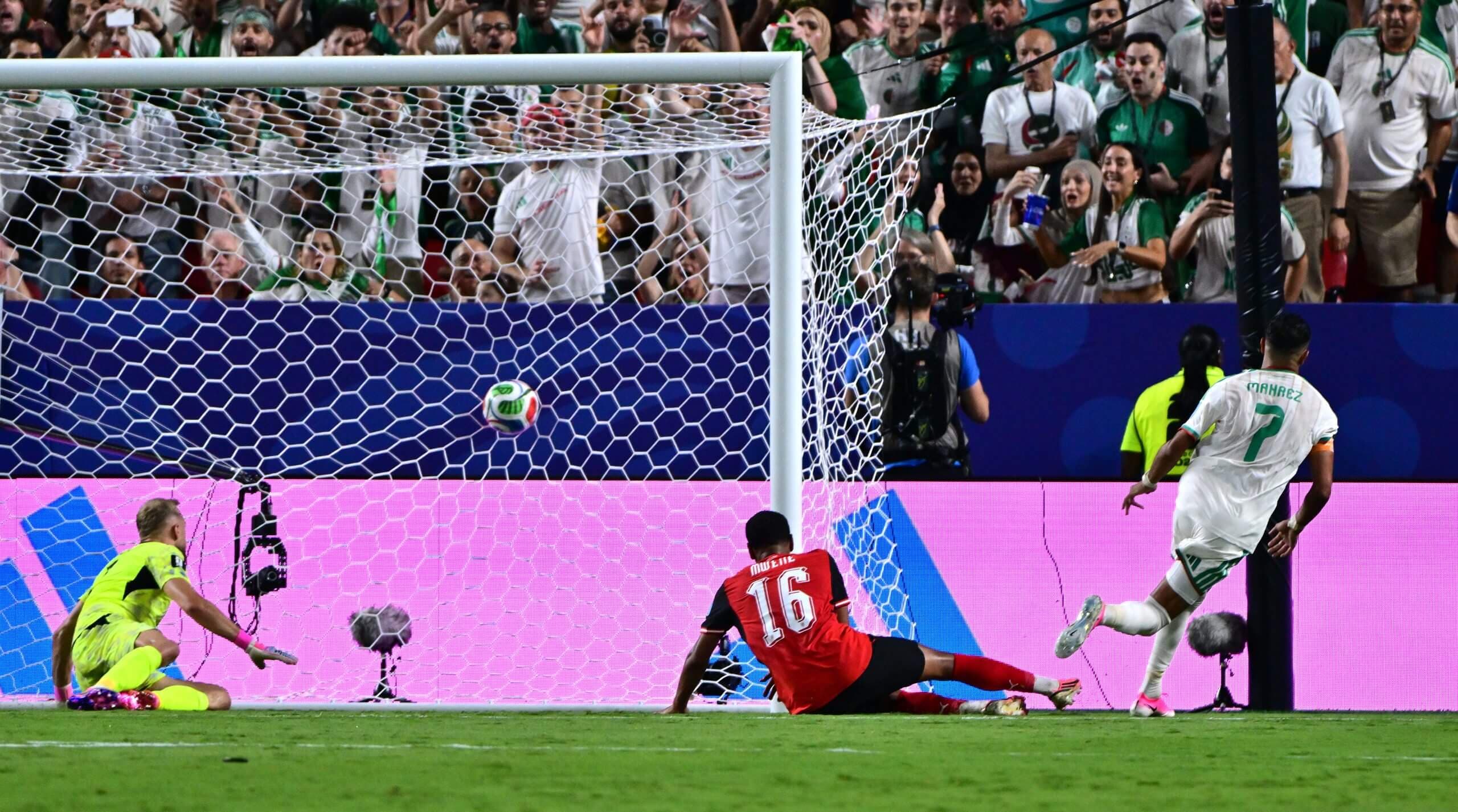
The goal that sparked chaos: 110 passes, Mahrez finish, Austria panic, Iran woe
Quick summary
A tactical analysis of a remarkable Algeria team goal finished by Riyad Mahrez after 110 passes, with the goal's aftermath sending shockwaves through Group standings affecting Austria and Iran.
Full article
Attributed to original sourceWho says draws can't be entertaining? We break down the stoppage-time goal that led to confusion and a thrilling finish.
Source attribution: this article content is based on the linked publisher feed/source. Chance adds independent soccer context, impact analysis, entity links, and related news.
What happened
This piece dissects one of the most extraordinary goals of the 2026 FIFA World Cup — a 110-pass move that culminated in a Riyad Mahrez finish for Algeria. The goal not only showcased Algeria's patient, possession-based approach but also had cascading consequences in the group stage, leaving Austria in panic mode and Iran facing elimination concerns. The analysis breaks down the tactical buildup, the defensive collapse that allowed the move to develop, and the group-stage implications as the tournament heads into its decisive phase.
Chance analysis
A 110-pass goal is a tactical statement — it signals a team comfortable in prolonged possession phases and willing to probe for openings rather than transition quickly. For Algeria, this kind of goal elevates their attacking identity and could shift how opponents set up against them, forcing deeper defensive blocks. For Austria, conceding such a move exposes structural defensive vulnerabilities, particularly against high-tempo passing triangles. Iran's group-stage positioning being damaged suggests this goal may have been the difference between advancing and elimination, making it one of the defining moments of the group stage.
Algeria's tactical credibility rises significantly with a landmark team goal, while Austria and Iran face negative group-stage consequences that may affect their tournament trajectories.
Algeria's possession-based attacking identity is now a proven World Cup threat; expect deeper defensive setups from future opponents, while Austria's defensive fragility against intricate passing moves is a flag for their knockout-stage prospects.