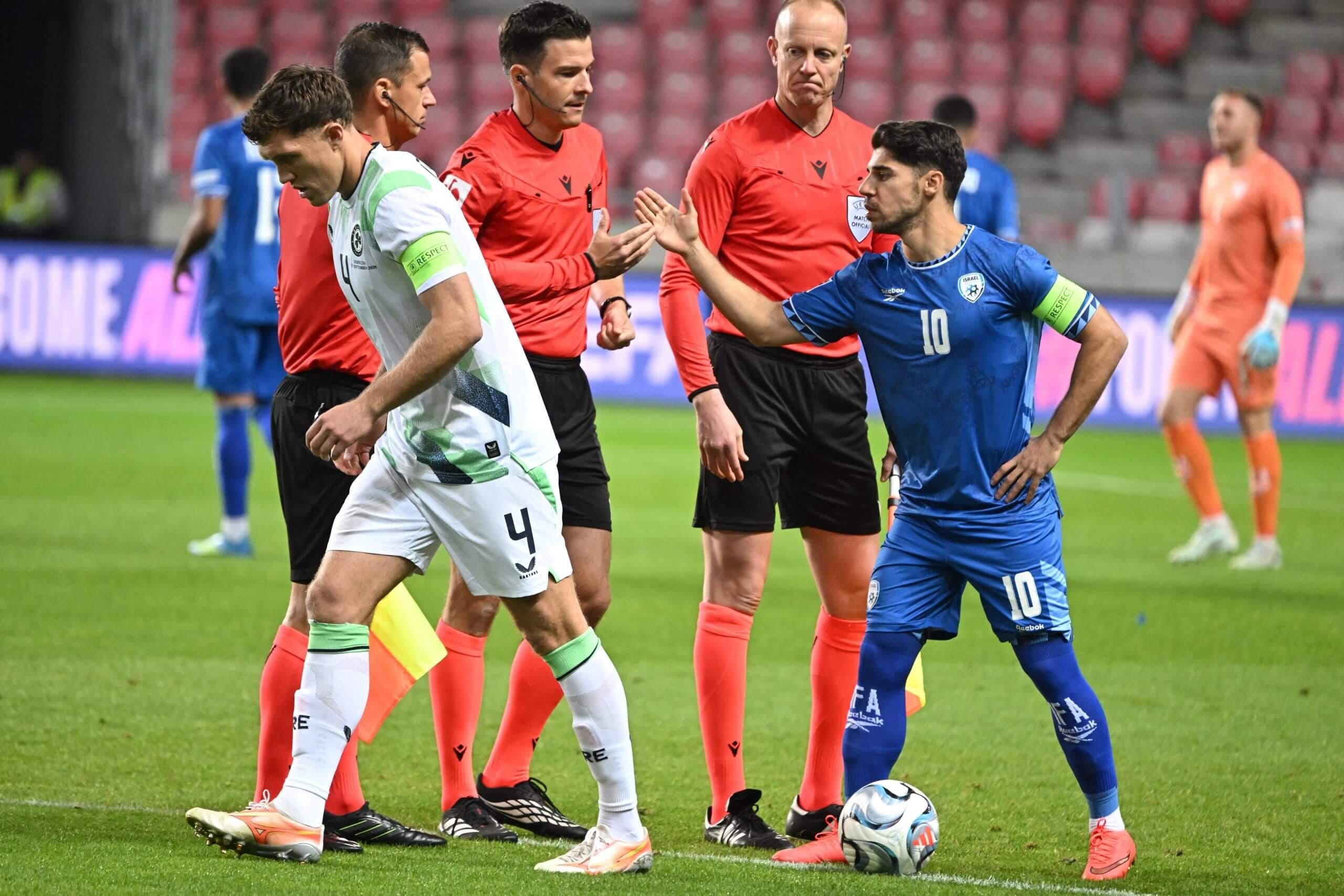
The Political Backdrop to Ireland vs Israel and Fallout from the First Game
Quick summary
An explainer on the political context surrounding Ireland's Nations League fixtures against Israel and the fallout from the first meeting between the sides.
Full article
Attributed to original sourceThe two nations meet again this weekend and the controversy around the game has not died down since they played on Sunday
Source attribution: this article content is based on the linked publisher feed/source. Chance adds independent soccer context, impact analysis, entity links, and related news.
What happened
The piece examines the longstanding political tensions that frame Ireland's matches against Israel in the UEFA Nations League, situating the fixture within a wider history of diplomatic friction, fan activism, and football governance debates. It addresses the immediate aftermath of the first game between the two sides, including crowd incidents, political statements, and the response from the FAI and UEFA. The explainer provides background for readers trying to understand why this tie has moved well beyond sporting consequence.
Chance analysis
Ireland vs Israel in the Nations League has long carried a political weight that goes beyond 90 minutes of football, and this explainer lays out why. The reporting traces the diplomatic and cultural history that makes any meeting between these two national sides a flashpoint, then turns to the fallout from the first leg — crowd reactions, institutional statements, and the questions raised about how UEFA handles politically charged fixtures. For readers, the takeaway is that the on-field result is only part of the story; the context around it shapes how the second leg will be read in both countries.
The political context is likely to amplify crowd intensity and off-pitch scrutiny around the second leg, with limited direct effect on tactical or personnel decisions.