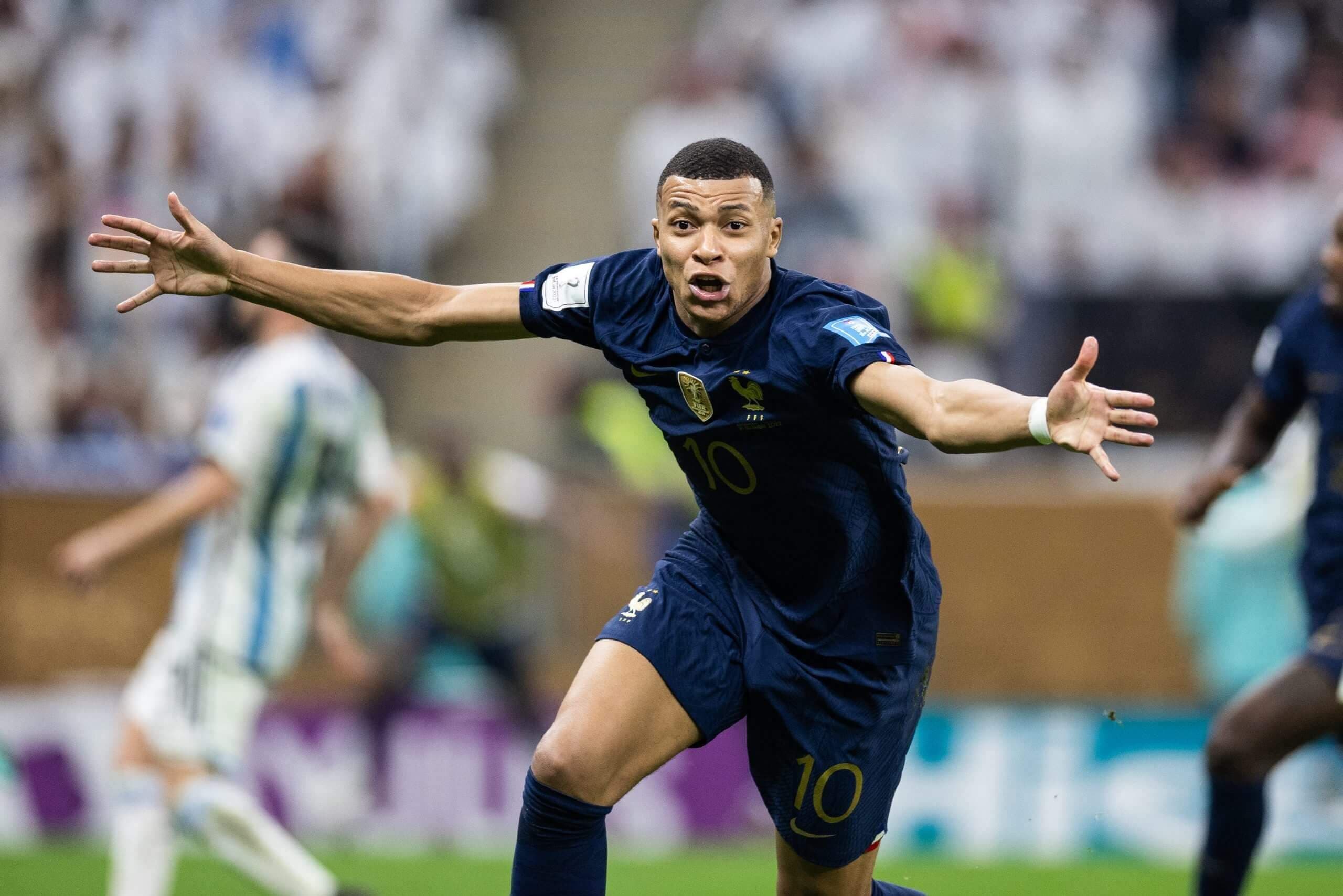
What is extra time in soccer? Explaining 'overtime' in the knockout stages of the World Cup
Quick summary
An explainer detailing how extra time works in soccer knockout matches, including the 30-minute format, golden goal vs. silver goal rules, and penalty shootouts when extra time ends level.
Full article
Attributed to original sourceWhen a match ends in a draw in the single-elimination phase of a soccer tournament, an additional 30 minutes of play are required
Source attribution: this article content is based on the linked publisher feed/source. Chance adds independent soccer context, impact analysis, entity links, and related news.
What happened
The Athletic's explainer breaks down the rules of extra time in soccer, specifically in the context of FIFA World Cup knockout rounds. It covers the standard 30-minute extra time period (two 15-minute halves), the historical use of the golden goal and silver goal rules, and the transition to penalty shootouts when scores remain level. The article also explains how substitution allowances work during extra time and contrasts extra time rules across different competitions.
Chance analysis
This is a rules explainer with no direct match or player impact. Its value lies in contextualizing knockout-stage outcomes during the World Cup. For prediction systems, it reinforces that knockout matches have a higher probability of being decided by penalties, which marginally favors teams with strong goalkeepers and penalty takers. No teams, players, or coaches are specifically discussed in tactical terms.
No direct impact on any team, player, or match; this is a general rules explainer.
Extra time and penalty shootouts marginally increase the variance of knockout-stage outcomes, with goalkeeping quality becoming a more decisive factor.