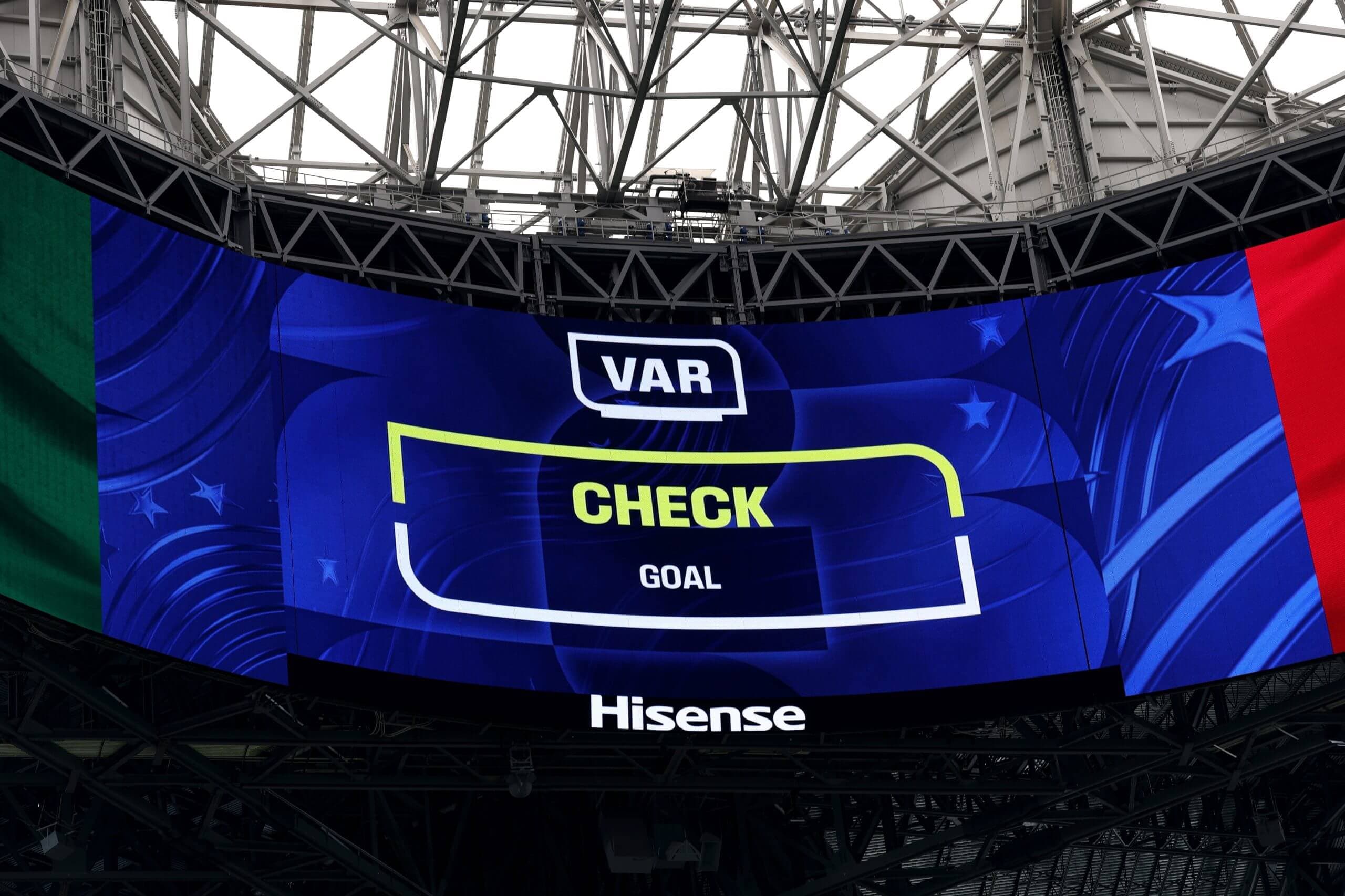
Why offside is proving controversial at the World Cup and whether law changes are coming
Quick summary
An explainer examining the ongoing controversy surrounding offside decisions at the World Cup, exploring why the rule generates disputes and whether any modifications to the law are being considered.
Full article
Attributed to original sourceExplaining the controversies which have hung over this World Cup and how one of football's most debated laws may be changing
Source attribution: this article content is based on the linked publisher feed/source. Chance adds independent soccer context, impact analysis, entity links, and related news.
What happened
The article analyzes the persistent controversy around offside rulings during the World Cup, focusing on how marginal calls and the use of VAR/technology have fuelled debate. It explores the tension between the letter of the law — which requires attackers to be level with the second-last defender — and the spirit of the rule, which was designed to prevent goal-hanging. The piece discusses whether football's lawmakers (IFAB) might consider changes such as allowing attackers to be level, or other modifications. The article frames offside as one of the most hotly debated laws in the sport, with high-profile incidents at the World Cup amplifying calls for clarity or reform.
Chance analysis
Offside controversy has direct implications for match outcomes, particularly in tight knockout-stage games where marginal decisions can be decisive. For prediction systems, continued VAR/GLT-assisted offside calls mean goals are being disallowed at higher rates, affecting expected goals models and over/under markets. Any potential law change would be a long-term structural shift, but even the debate itself signals heightened scrutiny on marginal calls, which may influence how attacking teams time runs and how defensive lines hold.
Persistent offside controversy may marginally suppress attacking output expectations and increase variance in match predictions, but no immediate rule change is signaled.
Account for higher VAR-disallowed goal rates when modeling match outcomes, especially in tightly officiated World Cup fixtures; track IFAB discussions for any near-term rule changes.