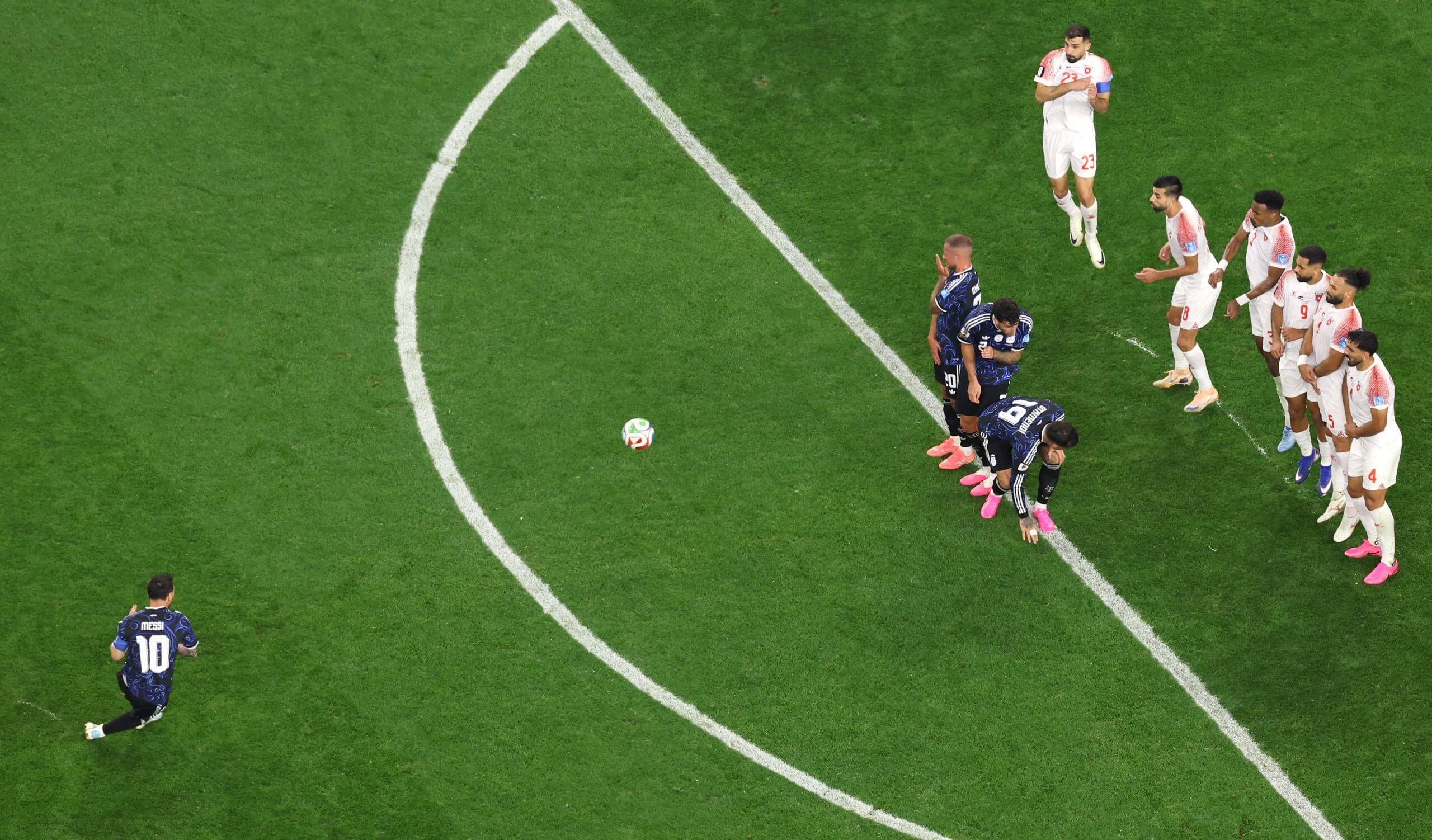
World Cup Group Stage Analysis: Impactful Substitutes, Own Goals and a Steep Rise in Mistakes
Quick summary
A data-driven analysis of the 2026 World Cup group stage highlighting the growing impact of substitutes, an unusually high number of own goals, and a sharp increase in defensive errors.
Full article
Attributed to original sourceThe Athletic's data writers break down the key findings now the tournament's first phase has drawn to a close
Source attribution: this article content is based on the linked publisher feed/source. Chance adds independent soccer context, impact analysis, entity links, and related news.
What happened
The Athletic's data notebook examines key trends from the 2026 World Cup group stage. Substitutes have had a measurably larger impact on match outcomes compared to previous tournaments, reflecting deeper squads and more aggressive in-game management. Own goals have spiked notably, suggesting increased defensive fragility or tactical disruption from high pressing. The piece also tracks a steep rise in unforced mistakes, potentially linked to fixture density, pressure, or tactical complexity. Star players such as Kylian Mbappé and Lionel Messi feature in the discussion of individual performances and their influence on group-stage outcomes.
Chance analysis
This analytical piece identifies structural trends rather than single-match events, making it useful for understanding the competitive landscape of the 2026 World Cup. A high substitute impact rate suggests managers are leveraging deeper benches and tactical adjustments more decisively, while the own-goal and mistake trends point to systemic defensive vulnerabilities that could shape knockout-round predictions. For prediction systems, the elevated error rate implies higher variance in knockout matches and a potential edge for teams with disciplined defensive structures.
Elevated mistake and own-goal rates at the 2026 World Cup increase match variance, rewarding disciplined defenses and squads with high-impact substitutes.
Account for elevated defensive error rates and stronger bench impact when modeling knockout-stage outcomes at the 2026 World Cup.