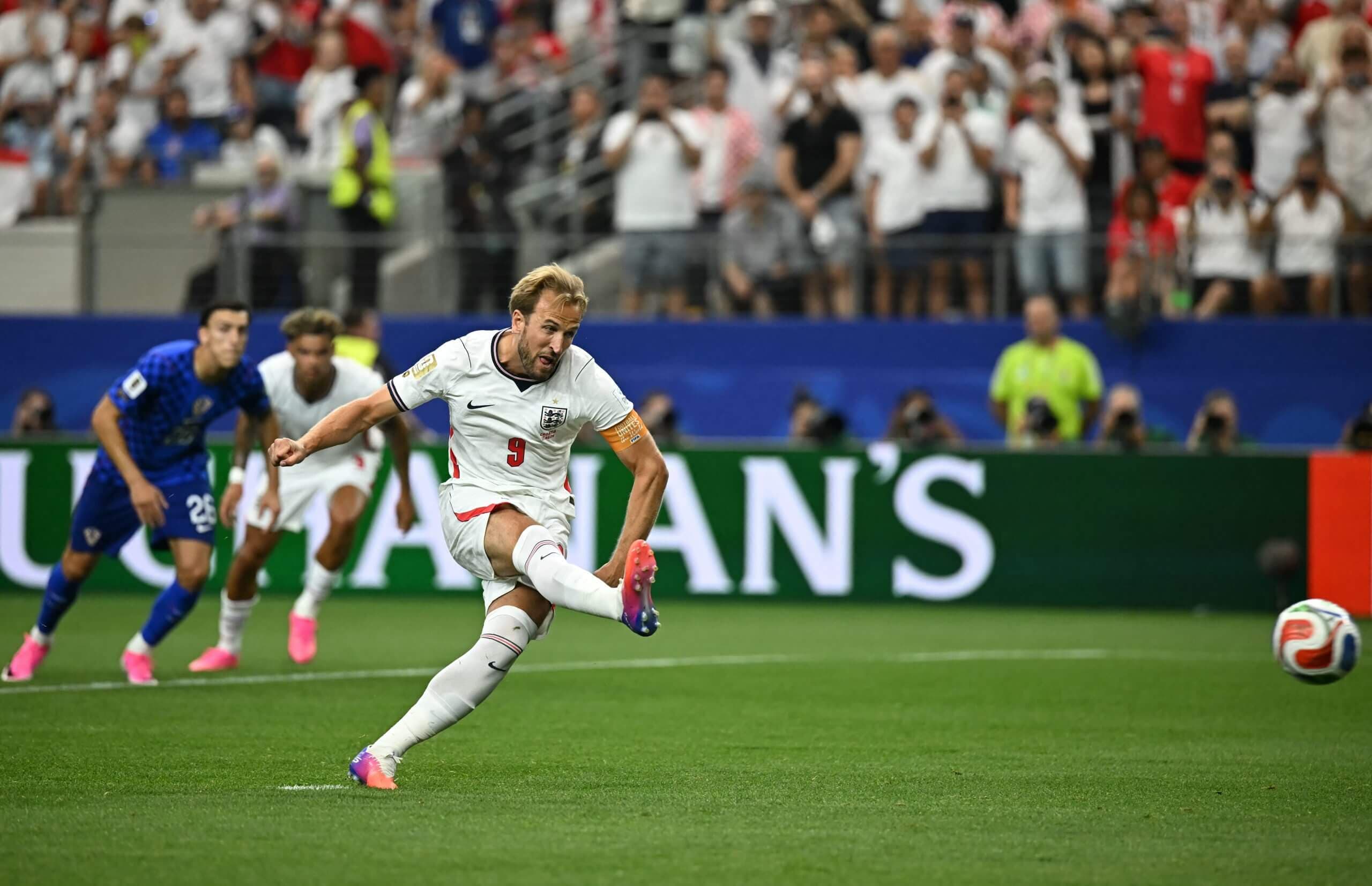
World Cup Mailbag: Bigger Tournament, A/C Group Fairness, and 'Stutter' Penalties
Quick summary
The Athletic answers reader questions on the expanded 2026 World Cup format, the fairness of the A/C group composition, and the legality of the 'stutter' penalty technique.
Full article
Attributed to original sourceWe asked you what you wanted to know about the World Cup. Here are the answers to your questions...
Source attribution: this article content is based on the linked publisher feed/source. Chance adds independent soccer context, impact analysis, entity links, and related news.
What happened
A Q&A-style column addressing several topics ahead of the 2026 World Cup. It covers implications of expanding the tournament to 48 teams, debates whether the seeding structure that places top-ranked nations in Groups A and C (rather than A and B) creates a competitive imbalance in the group stage, and examines the growing trend of stutter or hesitation penalties in shootouts. The piece offers expert analysis on how these factors may shape the tournament experience and competitive integrity.
Chance analysis
The expanded 48-team format increases unpredictability in the group stage, potentially benefiting underdog nations while diluting the quality of later rounds. The A/C seeding debate is a structural fairness concern that could affect how group-stage matchups are perceived and bet upon. The 'stutter' penalty discussion is a tactical trend worth monitoring for shootout predictions, as more players adopt this technique to unsettle goalkeepers.
No direct impact on any specific team or player; this is a broad preview of 2026 World Cup structural and tactical trends.
No specific match or team prediction is directly impacted, but the discussion of A/C group fairness may inform how group-stage betting markets price top-seeded nations in 2026.