Back to Soccer
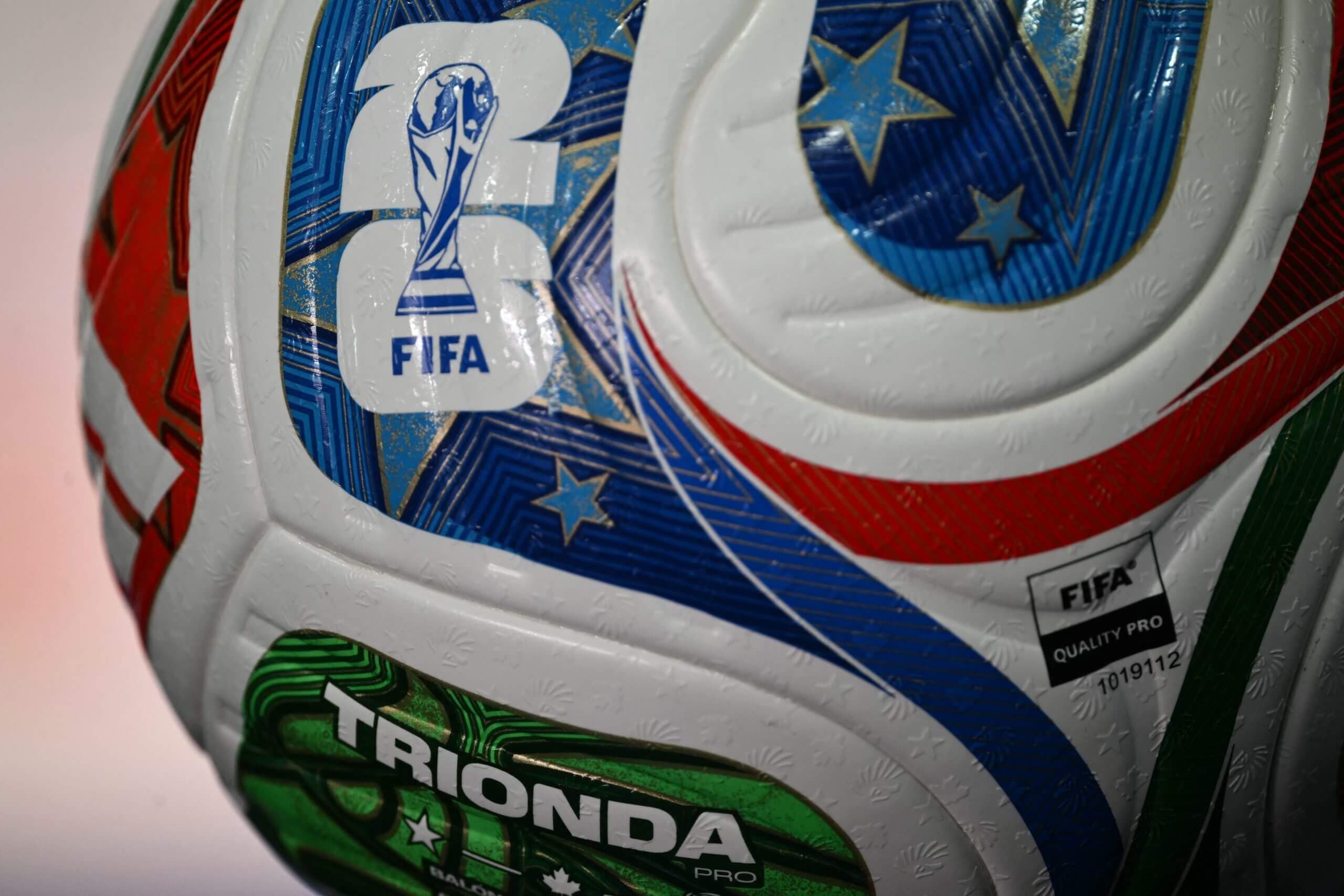
Trionda Analysis: The Science Behind the 2026 World Cup Ball
otherlowNeutral95% confidence

Trionda Analysis: The Science Behind the 2026 World Cup Ball

June 20, 2026 at 04:10 AM
EditorialOtherLow urgency95% confidence406 reporting sources

Quick summary

A scientific breakdown of the Adidas Trionda, the official match ball for the 2026 FIFA World Cup, co-hosted by the USA, Canada, and Mexico.

What happened

This explainer piece examines the engineering and design innovations behind the Adidas Trionda, the official match ball for the 2026 FIFA World Cup. The article covers aerodynamics, surface texture, and embedded sensor technology that allows real-time tracking of ball movement during matches. The ball's design incorporates visual elements paying tribute to the three host nations — the United States, Canada, and Mexico. It is a deep-dive into how ball technology has evolved and what specific changes FIFA and Adidas have made for this tournament.

Chance analysis

While not directly impacting match predictions, this analysis of the Trionda provides context on how the ball's flight characteristics and surface behavior could subtly influence playing styles and goal-scoring patterns throughout the 2026 World Cup. Historically, new tournament balls have prompted complaints from goalkeepers and adjustments in shooting techniques. Teams that adapt quickest to the ball's unique properties may gain a marginal competitive edge.

Impact

The Trionda ball design may marginally influence playing style, shooting accuracy, and goalkeeper performance at the 2026 World Cup.

AI Insight

Consider whether the Trionda's unique properties could affect scoring patterns or favor certain playing styles at the 2026 World Cup.

Related entities
usamexicoathletic-bilbaobournemouthAthletic BilbaoFIFA World CupWorld Cup

Original source

Chance summarizes and analyzes this story, with attribution to the publisher/source.

Read Original Source
About this article

Other

Trionda Analysis: The Science Behind the 2026 World Cup Ball

A scientific breakdown of the Adidas Trionda, the official match ball for the 2026 FIFA World Cup, co-hosted by the USA, Canada, and Mexico.

Article summary

This explainer piece examines the engineering and design innovations behind the Adidas Trionda, the official match ball for the 2026 FIFA World Cup. The article covers aerodynamics, surface texture, and embedded sensor technology that allows real-time tracking of ball movement during matches. The ball's design incorporates visual elements paying tribute to the three host nations — the United States, Canada, and Mexico. It is a deep-dive into how ball technology has evolved and what specific changes FIFA and Adidas have made for this tournament.

While not directly impacting match predictions, this analysis of the Trionda provides context on how the ball's flight characteristics and surface behavior could subtly influence playing styles and goal-scoring patterns throughout the 2026 World Cup. Historically, new tournament balls have prompted complaints from goalkeepers and adjustments in shooting techniques. Teams that adapt quickest to the ball's unique properties may gain a marginal competitive edge.

Source and timing

Published
Jun 20, 2026, 4:10 AM
Category
Editorial
Confidence
95%
Priority
Low

Related teams, competitions, matches, and tags

Related article links

These related articles are returned by the same team or competition news APIs and are linked here only when real article data is available.

FAQ

What is this article based on?

This article page uses the article data returned by the Chance API, including source attribution, summaries, topics, and resolved soccer entities when available.

Does Chance invent related teams or competitions?

No. Related entities are shown only when article data includes real slugs or resolved entity records; clickable links require reliable route identifiers.

Trionda Analysis: The Science Behind the 2026 World Cup Ball | Chance Soccer News