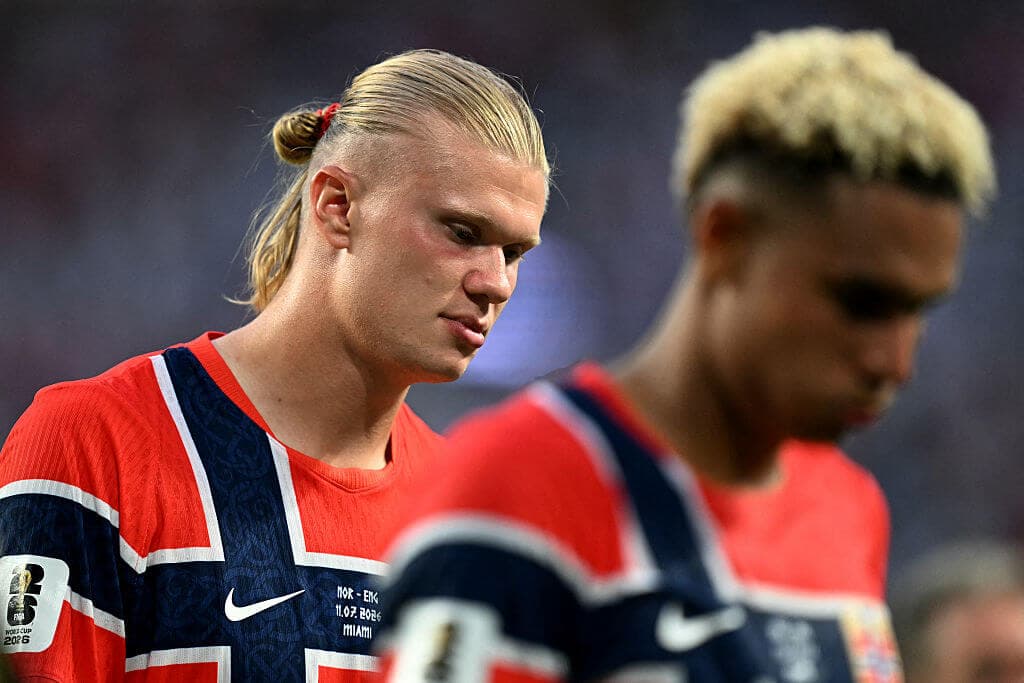
Why outsiders can't yet compete for the World Cup trophy
Quick summary
An analytical piece from The Athletic examining the structural and competitive barriers preventing underdog nations from realistically challenging for the FIFA World Cup title.
Full article
Attributed to original sourceFor all the drama of this World Cup, the established powers still reign supreme. Why has that remained true throughout World Cup history?
Source attribution: this article content is based on the linked publisher feed/source. Chance adds independent soccer context, impact analysis, entity links, and related news.
What happened
The article explores why World Cup outsiders remain unable to compete with traditional powerhouses for the trophy. It analyzes the gap in squad depth, tactical infrastructure, youth development pipelines, and competitive match experience that separates elite nations from aspirants. While expansion of the tournament format has broadened participation, the article argues that the gap between contenders and pretenders remains wide, and identifies what would need to change for an outsider to genuinely compete.
Chance analysis
This is a conceptual/analytical piece rather than a news event, so it has limited direct match-prediction value. However, it frames the competitive landscape of the World Cup and helps contextualize expectations for any given tournament — specifically why long-shot nations are unlikely to break through despite expanded formats. Useful for understanding baseline tournament dynamics and market pricing of outsider futures.
No direct impact on any team, player, or match; the article provides broader context on World Cup competitive structure rather than actionable team news.
Treat this as background context: outsider World Cup success is structurally rare, so underdog match predictions and outright futures should remain heavily discounted.