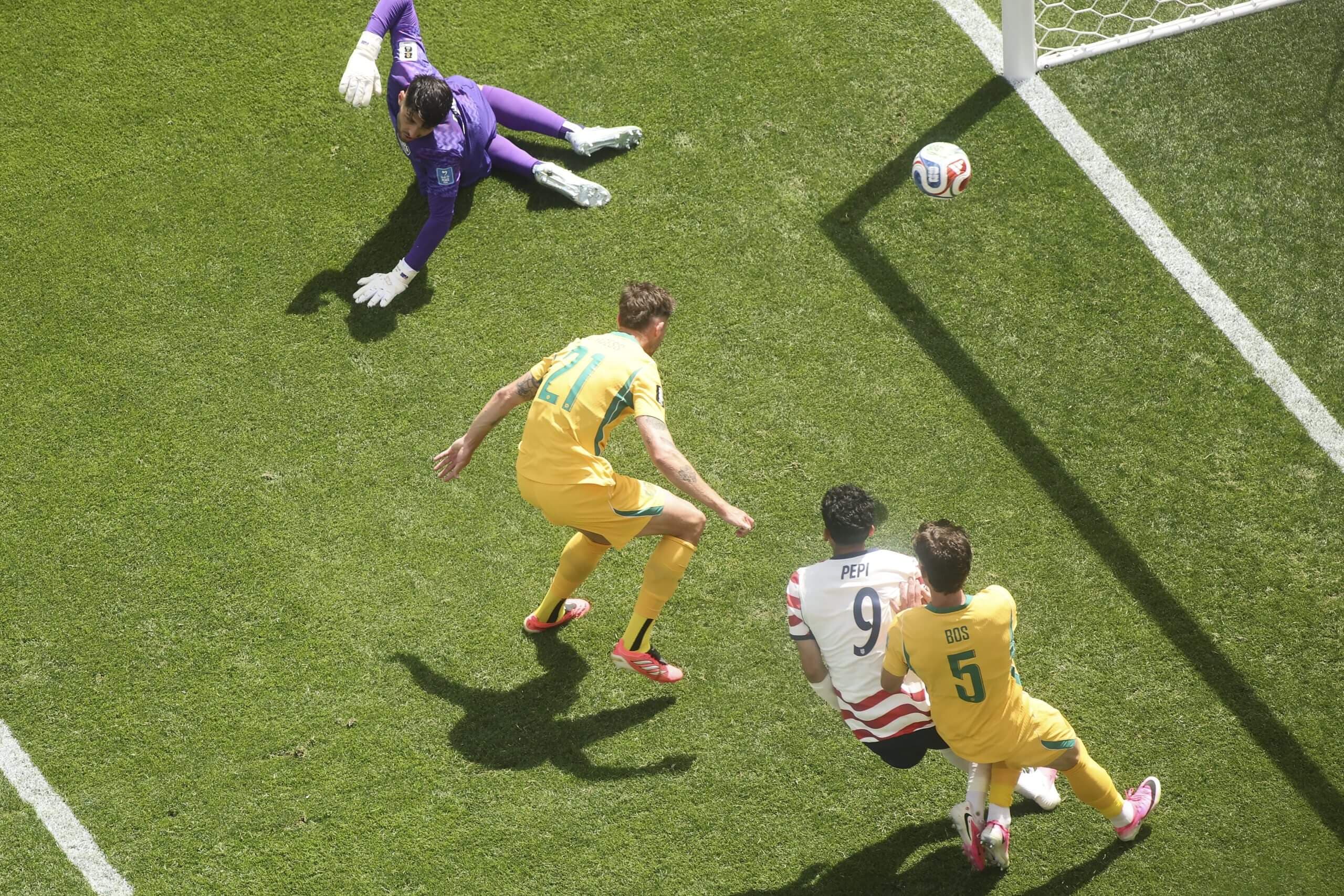
Why World Cup own goals are on the rise
Quick summary
Tactical analysis examining the increasing frequency of own goals at recent World Cups, with implications for the 2026 tournament hosted in the US.
What happened
The Athletic examines the trend of rising own goals at FIFA World Cup tournaments, analyzing tactical and structural reasons behind the increase. The piece likely covers factors such as defensive line height, pressing intensity, set-piece routines, and the growing role of data-driven attacking play that forces defenders into difficult clearances. With the 2026 World Cup approaching and the USMNT involved, the article explores how own goals could shape outcomes in the upcoming tournament.
Chance analysis
Own goals at World Cups are a meaningful and often under-discussed variable in match outcomes, sometimes swinging results in tight games. If defensive pressing and high lines continue to dominate tactical trends, own goals may become a more predictable statistical factor for prediction models. The USMNT angle suggests relevance to home-soil expectations, where marginal defensive errors carry amplified consequences.
Increases awareness of own goal risk as a tactical variable; marginal relevance to USMNT and World Cup 2026 predictions.
Account for own goal probability as a non-trivial factor in World Cup match modeling, especially in high-pressing tactical systems.